
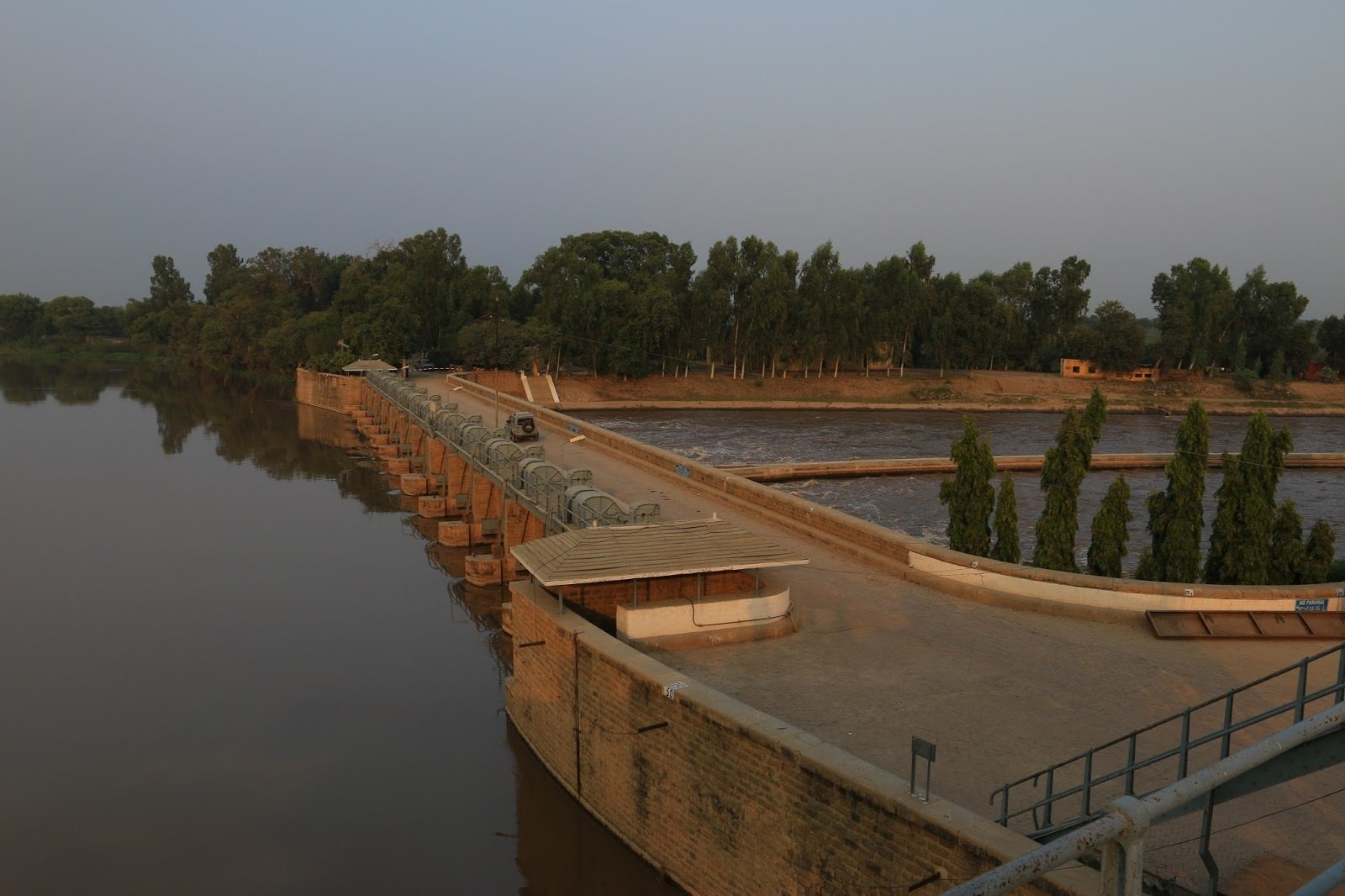
The Sulemanki Barrage Project is a historically significant irrigation structure in Pakistan, playing a vital role in water distribution and agricultural development. Located on the Sutlej River, this barrage has been serving the region for nearly a century. With modern monitoring systems now integrated into its operations, the project continues to ensure safety, efficiency, and long-term sustainability.
Project Overview
The Sulemanki Barrage was developed as part of the larger Sutlej Valley Project (SVP) and was officially inaugurated on April 12, 1926. It was designed to irrigate surrounding agricultural lands and improve water management across the region.
Key Highlights:
- River: Sutlej River
- Year of Inauguration: 1926
- Project Type: Irrigation Barrage
- Associated Canal: Pakpattan Canal (constructed in 1925)
This barrage has played a foundational role in transforming the region into a productive agricultural zone.
Importance of Sulemanki Barrage
The project continues to contribute significantly to Pakistan’s irrigation system:
✔ Supports large-scale agricultural production
✔ Ensures efficient water distribution
✔ Strengthens regional water management
✔ Contributes to rural economic development
Advanced Monitoring System
To maintain structural safety and operational efficiency, the barrage is equipped with a modern monitoring system that combines geotechnical instrumentation with surveillance technologies.
Monitoring Instruments Installed
The following equipment is used:
- Vibrating Wire Piezometers – measure internal water pressure
- Standpipe Piezometers – monitor groundwater levels
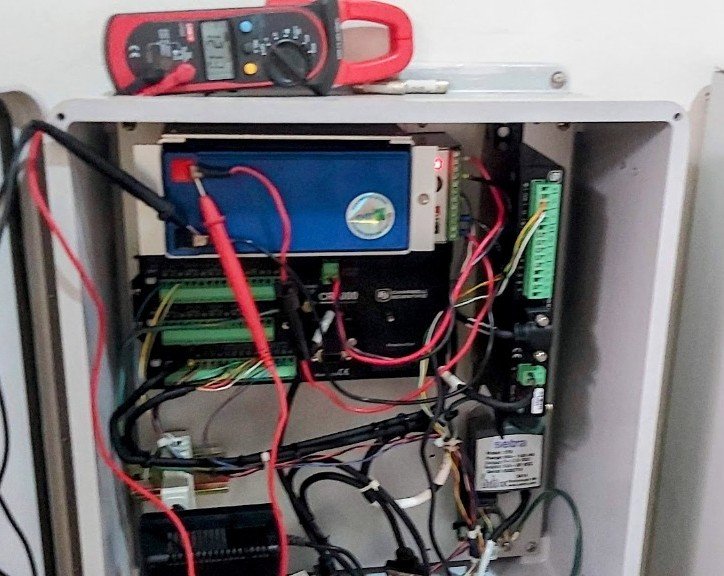
- Multiplexers – manage multiple sensor inputs
- Dataloggers – collect and store monitoring data
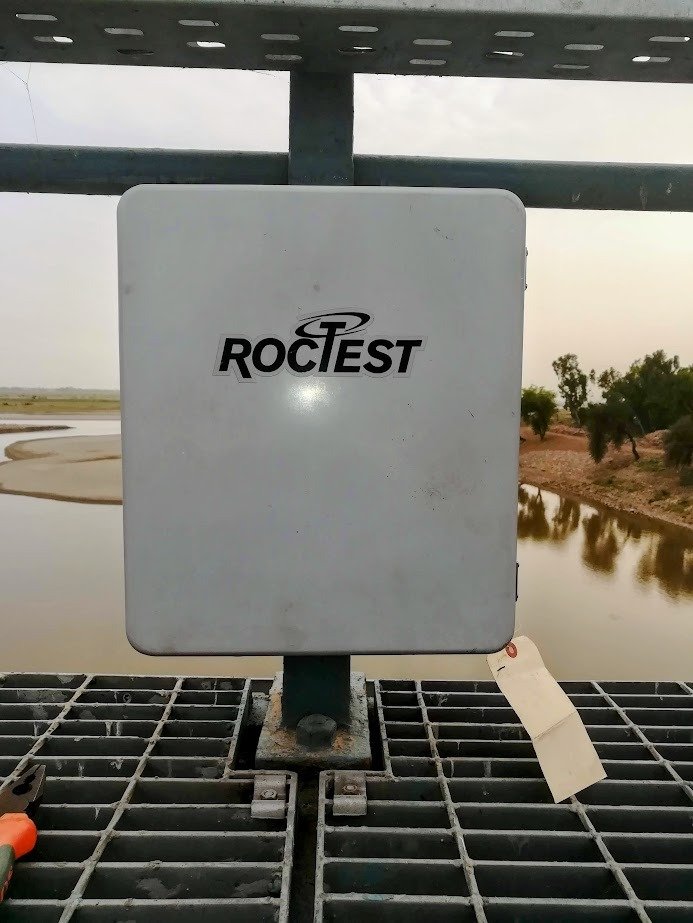
- Radio Tx/Rx Systems – enable remote communication
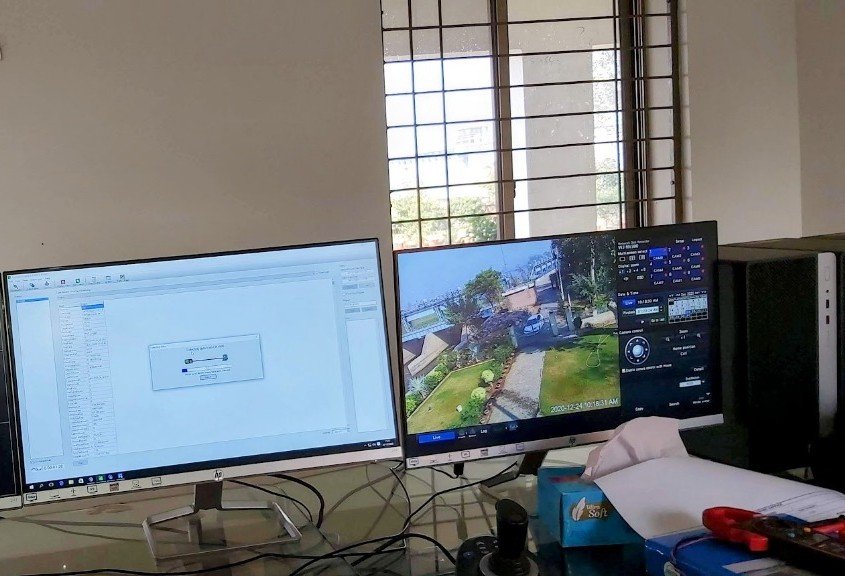
- CCTV Systems – provide visual monitoring and security
- Water Level Indicators – track water fluctuations
How the Monitoring System Works
The monitoring system ensures real-time performance tracking:
- Sensors collect structural and hydraulic data
- Multiplexers organize signals from different instruments
- Dataloggers store and process the data
- Radio systems transmit data for remote analysis
- CCTV systems provide visual inspection support
- Engineers evaluate the data for safety and efficiency
This system helps detect:
- Seepage and leakage
- Pressure variations
- Structural stress
- Water level changes
Technologies & Products Used
The project uses a combination of advanced instrumentation:
- VW (Vibrating Wire) Piezometers
- Standpipe Piezometers
- Multiplexers
- Dataloggers
- Radio Communication Systems
- CCTV Surveillance Systems
- Water Level Monitoring Devices
Key Benefits of the Project
1. Enhanced Structural Safety
Continuous monitoring minimizes the risk of failure.
2. Improved Irrigation Efficiency
Ensures reliable water supply for agriculture.
3. Real-Time Surveillance
CCTV systems add an extra layer of operational security.
4. Long-Term Sustainability
Modern technology extends the lifespan of the barrage.
Project Stakeholders
- Client: PMO
- Consultant: NESPAK
- Specialist Contractor: GSI (Geotechnical & Structural Instrumentation)
These stakeholders ensured the successful implementation of monitoring and safety systems.
Conclusion
The Sulemanki Barrage Project is a powerful example of how legacy infrastructure can be enhanced through modern engineering and monitoring technologies. By integrating real-time data systems and surveillance tools, the project continues to deliver reliable irrigation and maintain structural safety.
Its long-standing contribution to agriculture and water management makes it a key asset in Pakistan’s infrastructure network.
FAQs
What is the purpose of Sulemanki Barrage?
It is used for irrigation and water management in surrounding agricultural areas.
When was it constructed?
It was inaugurated in 1926 as part of the Sutlej Valley Project.
Which monitoring systems are used?
Piezometers, dataloggers, multiplexers, CCTV systems, and water level indicators.
Why is this project important?
It supports agriculture, ensures water distribution, and enhances infrastructure safety.