
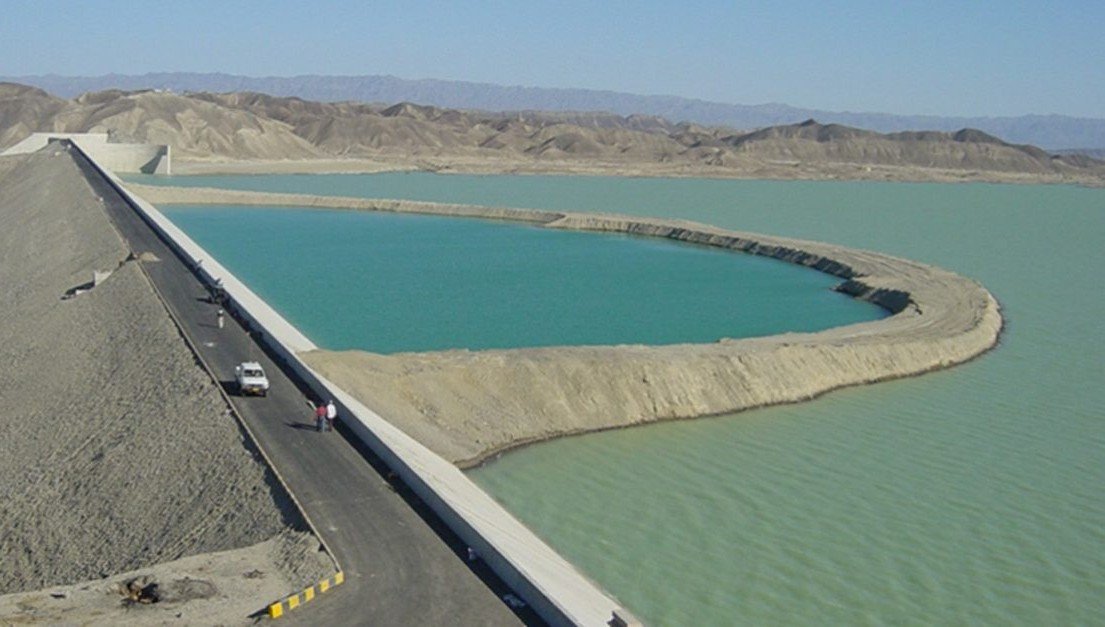
The Mirani Dam Project is one of Pakistan’s most important water resource developments, designed to support agriculture, drinking water supply, and regional growth in Balochistan. Located across the Dasht River, this dam plays a crucial role in sustaining the Makran Division, especially cities like Turbat and Gwadar.
To ensure long-term safety and performance, the project integrates advanced geotechnical and structural monitoring systems, making it a strong example of modern dam engineering in Pakistan.
Project Overview
The Mirani Dam is situated in the Kech District of Balochistan, constructed across the Dasht River, which is formed by the confluence of the Kech and Nihing rivers. The dam was completed in July 2006 and began storing water in August 2006.
Key Objectives of the Project:
- Provide irrigation water for agriculture
- Supply drinking water to Turbat and Gwadar
- Manage water resources in an arid region
- Support socio-economic development in Makran Division
The dam’s reservoir acts as a lifeline for local communities, especially in areas where water scarcity has historically been a major challenge.
Importance of Mirani Dam
The project has significantly improved living conditions in the region by:
✔ Enhancing agricultural productivity
✔ Ensuring reliable water supply
✔ Supporting urban development in Gwadar
✔ Reducing dependency on irregular rainfall
In a region like Balochistan, where water management is critical, Mirani Dam stands as a strategic infrastructure asset.
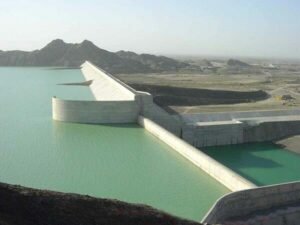
Advanced Monitoring System
To maintain structural integrity and ensure operational safety, the Mirani Dam Project uses a comprehensive monitoring system combining multiple instruments and technologies.
Monitoring Instruments Installed
The following equipment is used for real-time and long-term monitoring:
- Vibrating Wire Piezometers – measure internal water pressure within the dam structure
- Standpipe Piezometers – monitor groundwater levels
- Switching Boxes – manage signal routing between instruments
- Extensometers – detect structural movement and deformation
- Accelerograph – record seismic activity and vibrations
- Water Level Indicators – track reservoir water levels
How the Monitoring System Works
The monitoring system follows a structured data collection process:
- Sensors installed within the dam collect real-time data
- Signals are transmitted through switching systems
- Data is recorded and analyzed for structural behavior
- Engineers use insights to ensure safety and performance
This system allows early detection of issues such as:
- Seepage problems
- Structural movement
- Pressure imbalances
- Seismic impacts
Technologies & Products Used
The project utilizes a combination of advanced instrumentation products:
- VW (Vibrating Wire) Piezometers
- Standpipe Piezometers
- Switching Boxes
- Extensometers
- Accelerograph Systems
- Water Level Monitoring Devices
These technologies ensure accurate, reliable, and continuous monitoring of dam conditions.
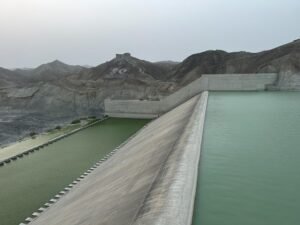
Key Benefits of the Project
1. Improved Dam Safety
Continuous monitoring reduces the risk of structural failure.
2. Efficient Water Management
Accurate data helps regulate water storage and distribution.
3. Seismic Monitoring Capability
The accelerograph ensures preparedness against earthquakes.
4. Long-Term Sustainability
Modern instrumentation extends the dam’s operational lifespan.
Project Stakeholders
- Client: WAPDA
- Consultant: NESPAK
- Specialist Contractor: GSI (Geotechnical & Structural Instrumentation)
These organizations collaborated to deliver a reliable and technologically advanced monitoring system.
Conclusion
The Mirani Dam Project is more than just a water storage facility it is a cornerstone of development in Balochistan. By integrating advanced geotechnical instrumentation and real-time monitoring systems, the project ensures safety, efficiency, and sustainability.
As water demand continues to rise, projects like Mirani Dam highlight the importance of combining engineering excellence with smart monitoring solutions to secure the future of critical infrastructure.
FAQs
What is the purpose of Mirani Dam?
It provides irrigation and drinking water while supporting regional development.
Which monitoring instruments are used?
Vibrating wire piezometers, extensometers, accelerograph, and water level indicators.
Where is Mirani Dam located?
In the Kech District of Balochistan, across the Dasht River.
Why is monitoring important for dams?
It helps detect structural issues early and ensures long-term safety.