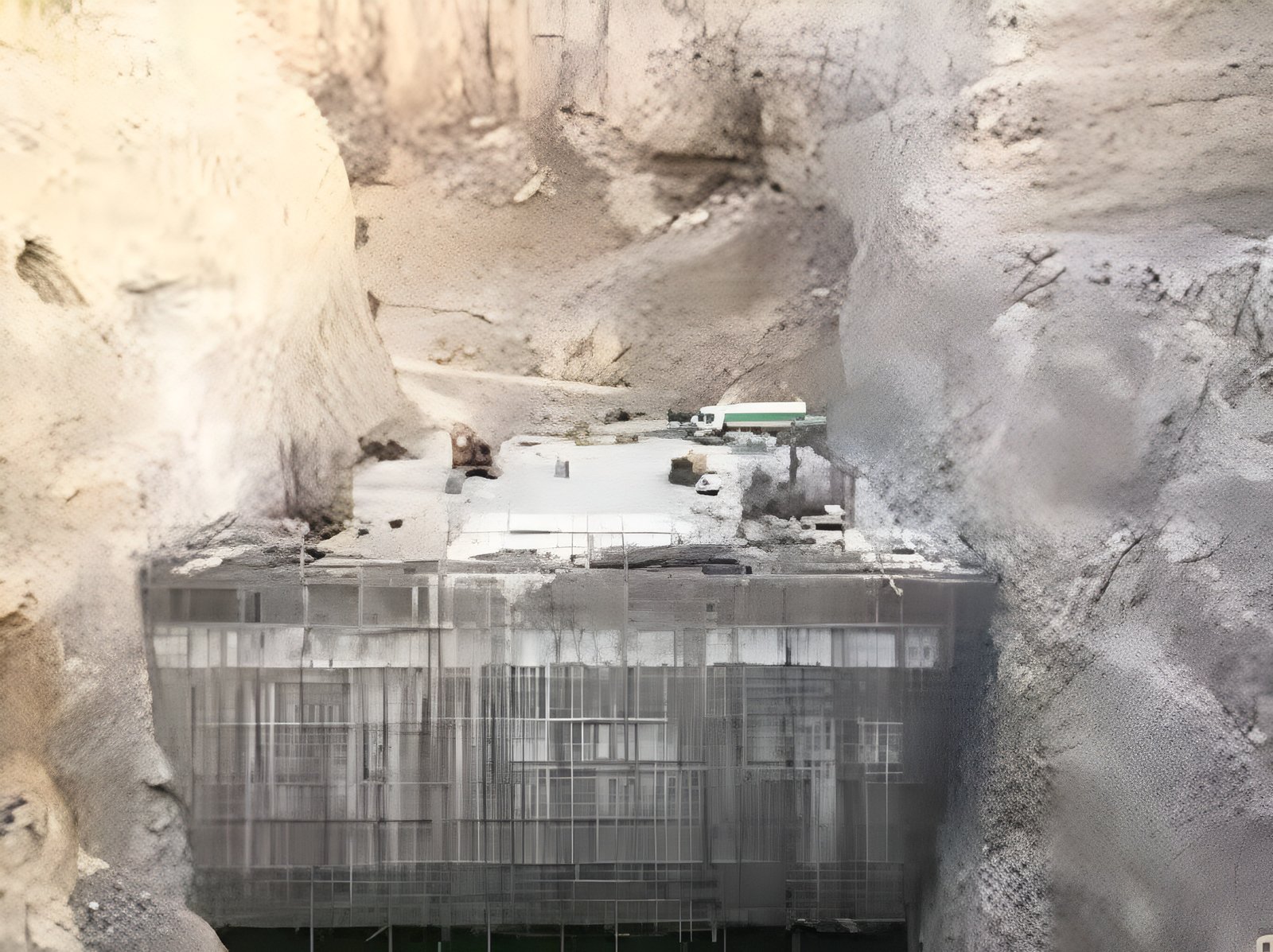
The Mangi Dam Project is a significant water infrastructure development in Balochistan, aimed at improving water storage, supporting fisheries, and enhancing regional sustainability. Located near Ziarat, this dam has evolved over time from its original purpose of fish conservation to a broader role that includes water management and potential energy generation.
With the integration of advanced geotechnical instrumentation, the project ensures continuous monitoring, structural safety, and long-term operational efficiency.
Project Overview
The Mangi Dam was originally constructed in 1982 near Ziarat in Balochistan, Pakistan. It has a height of approximately 18 meters (59 feet) and a storage capacity of 130,000 cubic meters.
Key Highlights:
- Location: Near Ziarat, Balochistan
- Construction Year: 1982
- Dam Height: 18 meters
- Storage Capacity: 130,000 m³
- Initial Cost: Approximately $36.88 million
Originally designed to prevent fish from leaving the designated fishing area, the dam has since been considered for additional uses, including electricity generation and improved water management.
Objectives of the Project
Over time, the Mangi Dam Project has expanded its objectives:
✔ Support fish conservation and aquaculture
✔ Provide water storage for local use
✔ Potentially generate hydroelectric power
✔ Reduce load shedding in nearby areas
Strategic Importance
The project plays a valuable role in regional development:
- Enhances water availability in a dry region
- Supports fisheries and local livelihoods
- Contributes to energy solutions
- Improves environmental sustainability
Advanced Monitoring System
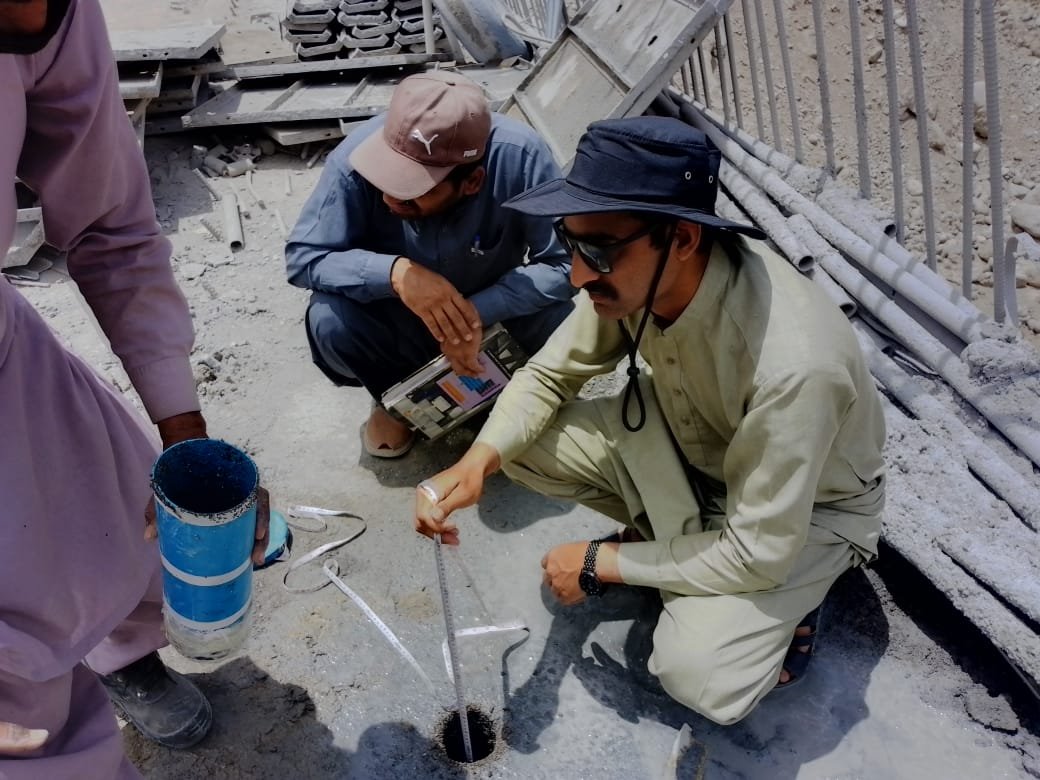
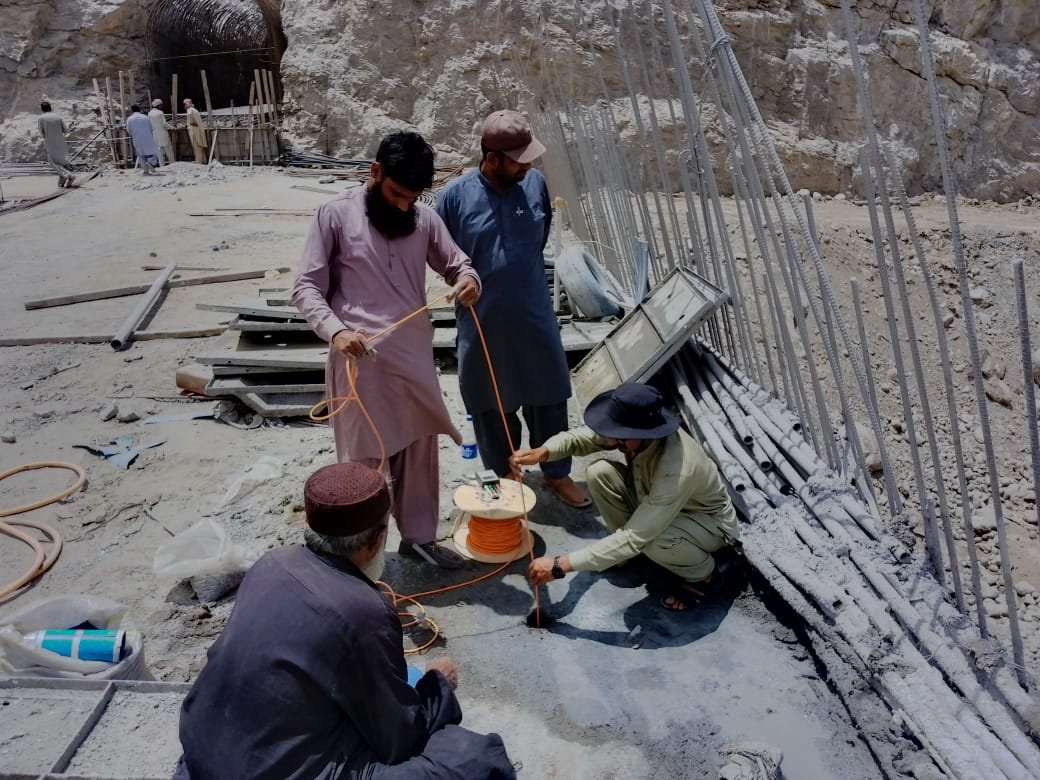
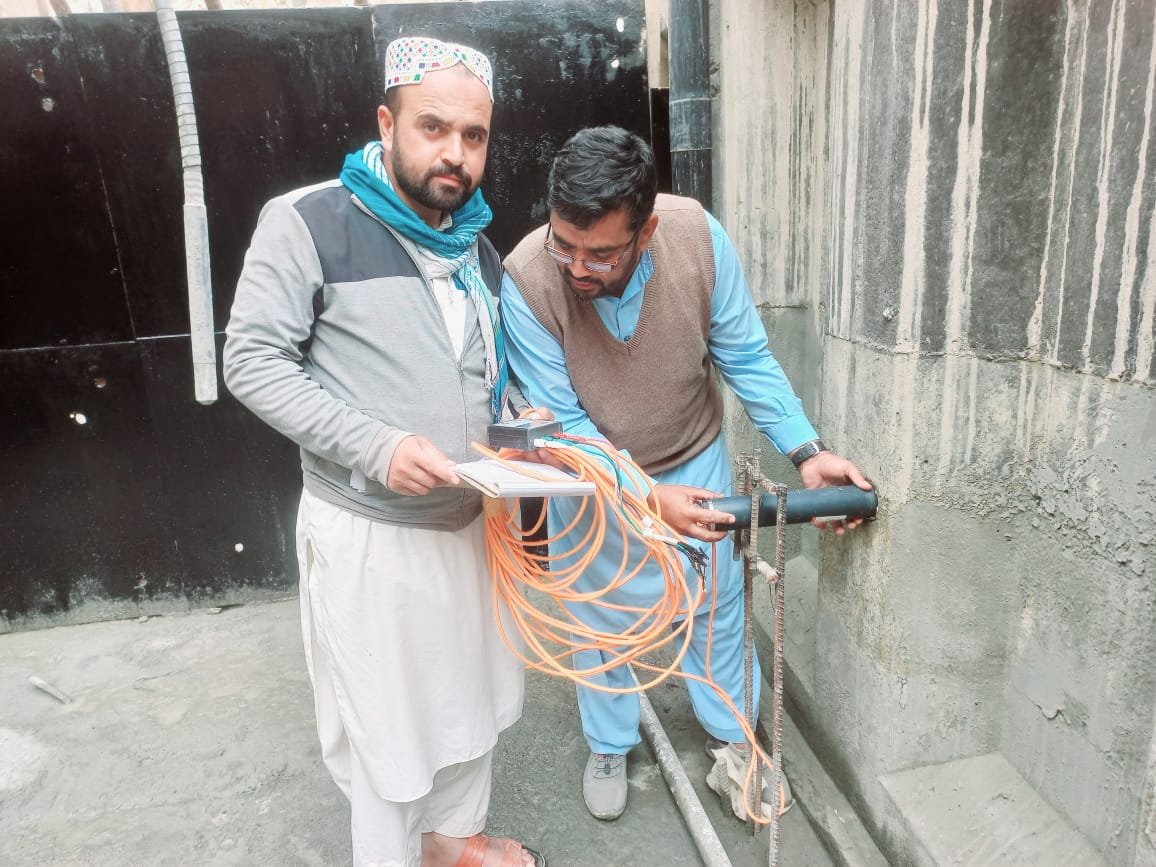
To maintain structural integrity and ensure safe operation, the dam is equipped with a comprehensive monitoring system using modern instrumentation.
Monitoring Instruments Installed
The following technologies are used:
- Vibrating Wire Piezometers – measure internal water pressure
- Standpipe Piezometers – monitor groundwater levels
- VW Temperature Sensors – track temperature variations within the structure
- Dataloggers – collect and store monitoring data
- Jointmeters – measure movement in structural joints
- Water Level Sensors – monitor reservoir levels
- Readout Units – display instrument data
- Water Level Indicators – provide accurate level readings
How the Monitoring System Works
The system ensures continuous safety and performance monitoring:
- Sensors collect real-time data on pressure, temperature, and water levels
- Dataloggers store and organize the collected data
- Readout units provide accessible measurements for engineers
- Engineers analyze data to detect any irregularities
This system helps identify:
- Seepage and leakage
- Structural movement
- Temperature-related stress
- Water level fluctuations
Technologies & Products Used
The project uses a range of advanced instrumentation tools:
- VW (Vibrating Wire) Piezometers
- Standpipe Piezometers
- VW Temperature Sensors
- Dataloggers
- Jointmeters
- Water Level Sensors
- Readout Devices
- Water Level Indicators
These technologies ensure precise and reliable monitoring.
Key Benefits of the Project
1. Enhanced Structural Safety
Continuous monitoring reduces the risk of failure.
2. Multi-Purpose Utilization
Supports fisheries, water storage, and potential energy generation.
3. Improved Water Management
Ensures efficient use of available water resources.
4. Sustainable Development
Promotes long-term environmental and economic benefits.
Project Stakeholders
- Client: PMO
- Consultant: ACE
- Specialist Contractor: GSI (Geotechnical & Structural Instrumentation)
These stakeholders contributed to the implementation of advanced monitoring systems.
Conclusion
The Mangi Dam Project showcases how a relatively small infrastructure project can evolve into a multi-functional asset. By integrating modern monitoring technologies, the dam ensures safety, efficiency, and sustainability while supporting local communities.
As development continues, Mangi Dam holds the potential to contribute even more significantly to water management and energy production in Balochistan.
FAQs
What is the purpose of Mangi Dam?
It supports fisheries, water storage, and potential electricity generation.
Where is it located?
Near Ziarat in Balochistan, Pakistan.
Which monitoring instruments are used?
Piezometers, temperature sensors, jointmeters, and water level sensors.
When was it constructed?
In 1982.