
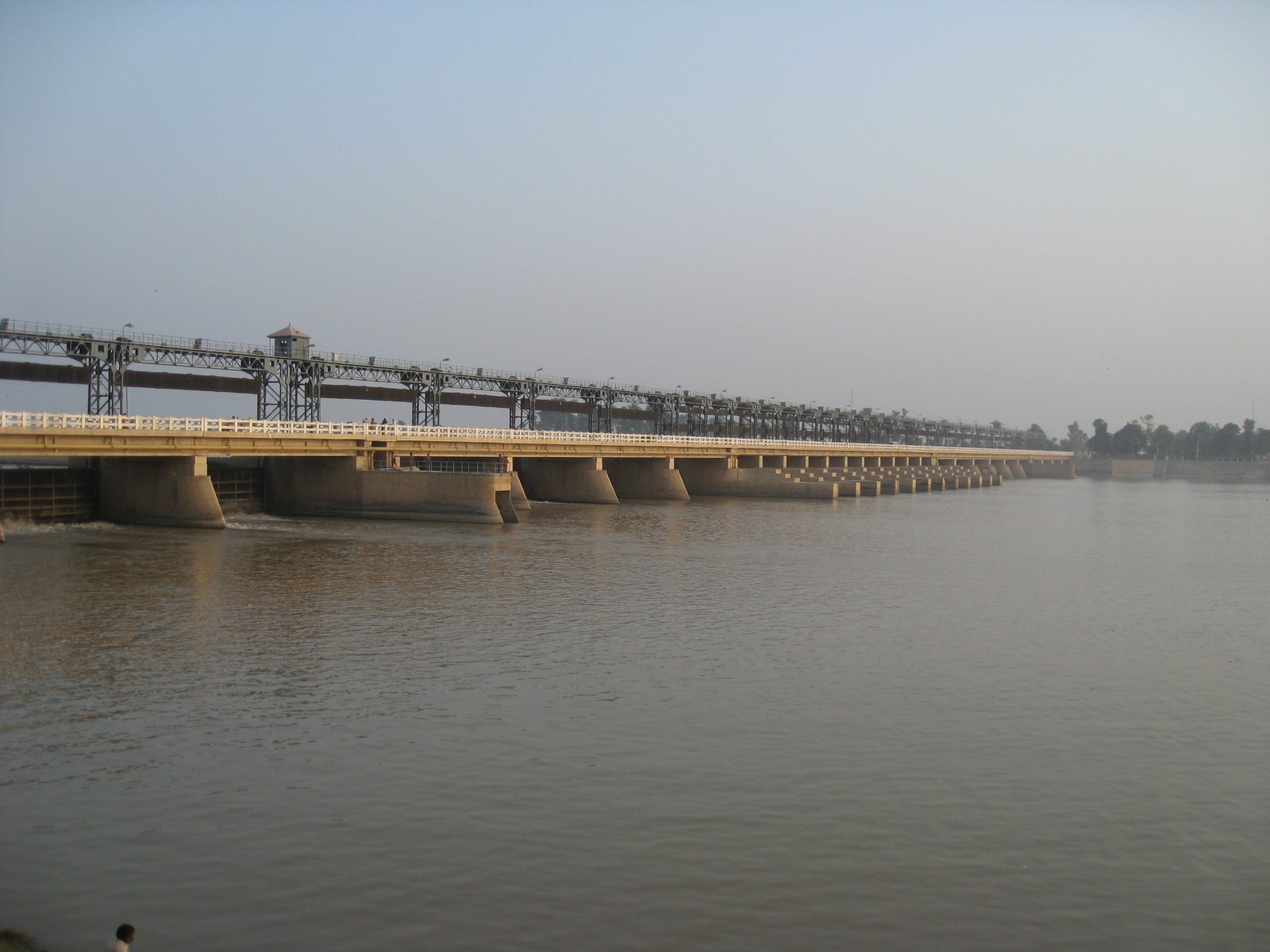
The Islam Barrage Project is a historically important irrigation structure in Pakistan, playing a key role in water distribution and flood control along the Sutlej River. Built during the early 20th century, this barrage has supported agriculture for decades and continues to be a critical part of the country’s irrigation network.
With modern upgrades and the integration of advanced monitoring systems, the project now ensures improved safety, efficiency, and long-term performance.
Project Overview
The Islam Barrage was constructed between 1922 and 1927 as part of the Sutlej Valley Project. It is located on the Sutlej River near Hasilpur and Luddan.
Key Highlights:
- River: Sutlej River
- Completion Year: 1927
- Structure Type: Irrigation Barrage
- Number of Bays: 29
- Purpose: Irrigation and flood control
The barrage supplies water to major canals, including:
- Mailsi Canal
- Bahawal Canal
Together, these canals irrigate approximately 1.38 million acres of land.
Importance of Islam Barrage
The project plays a vital role in Pakistan’s agricultural system:
✔ Supports large-scale irrigation
✔ Controls floodwaters in the region
✔ Enhances water distribution efficiency
✔ Contributes to rural economic development
Despite its importance, the structure has faced challenges such as aging infrastructure and limited flood capacity, making rehabilitation essential.
Rehabilitation & Upgradation
To address existing challenges, a rehabilitation plan has been proposed, focusing on:
- Structural repairs
- Upgrading barrage gates
- Increasing flood-handling capacity
- Strengthening embankments (flood bunds)
These improvements aim to extend the barrage’s lifespan and enhance its performance.
Advanced Monitoring System
To ensure safety and efficiency, the project incorporates a modern monitoring system using advanced instrumentation.
Monitoring Instruments Installed
The following technologies are used:
- Vibrating Wire Piezometers – measure internal water pressure
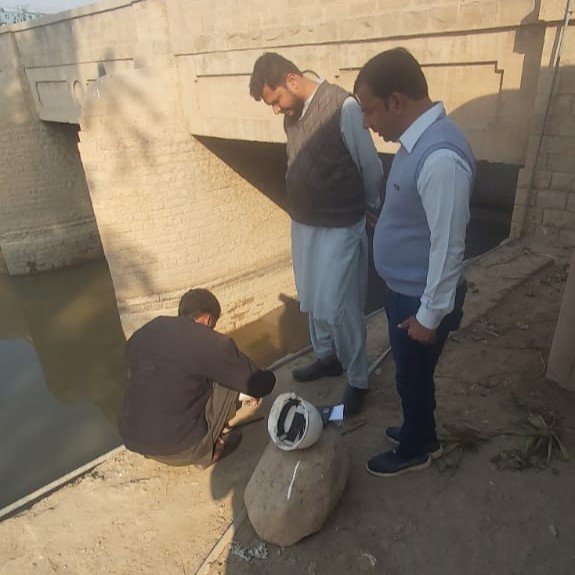
- Standpipe Piezometers – monitor groundwater levels
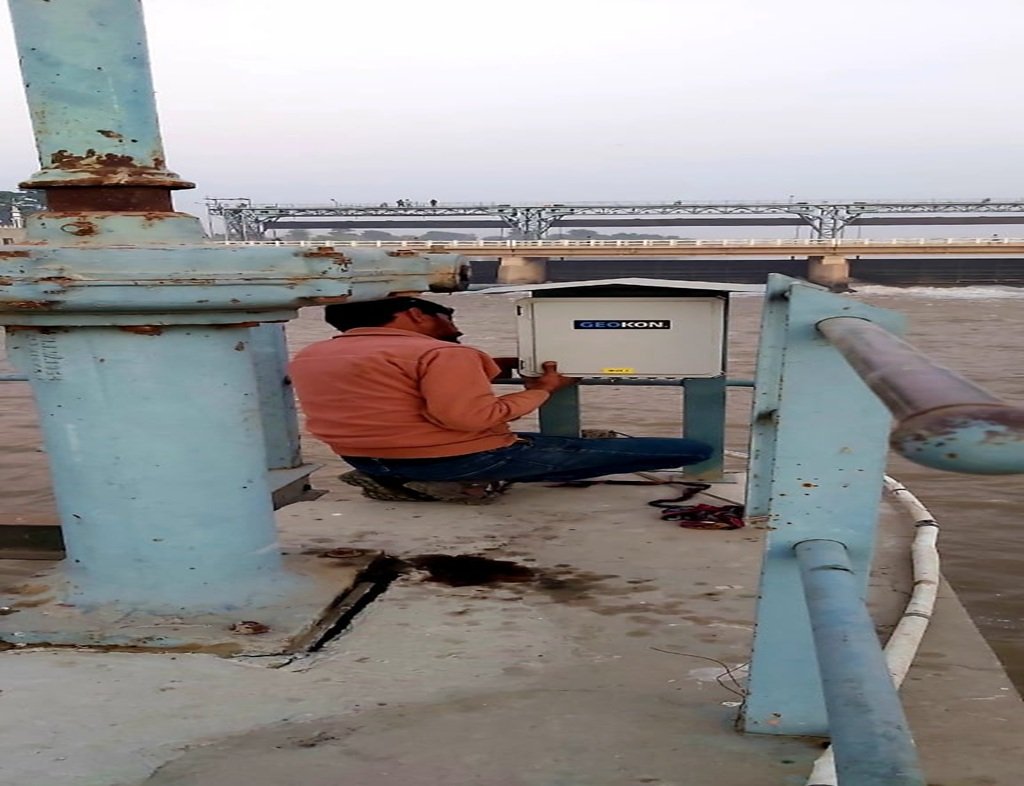
- Multiplexers – manage multiple sensor inputs
- Dataloggers – collect and store monitoring data
- Radio Tx/Rx Systems – enable remote data transmission
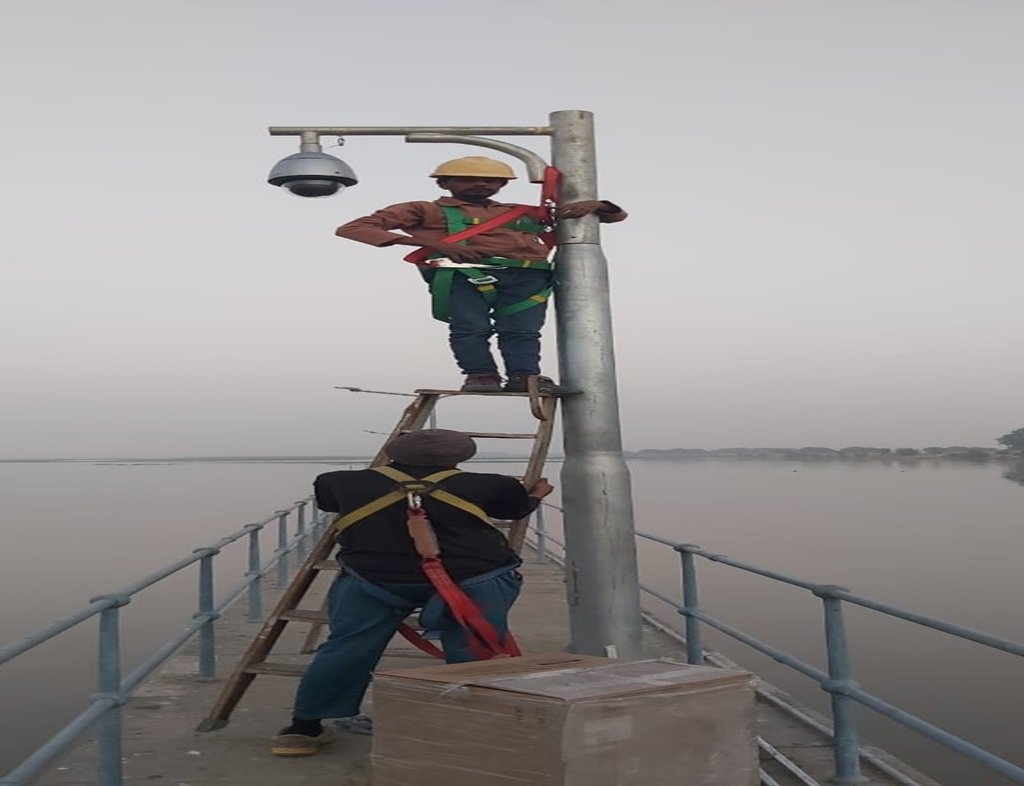
- CCTV Systems – provide visual monitoring
- Water Level Indicators – track water levels
How the Monitoring System Works
The monitoring system ensures continuous performance evaluation:
- Sensors collect real-time structural and hydraulic data
- Multiplexers organize signals from instruments
- Dataloggers store and process the data
- Radio systems transmit data for remote monitoring
- CCTV systems provide visual inspection support
- Engineers analyze the data to ensure safety
This system helps detect:
- Seepage and leakage
- Pressure variations
- Structural stress
- Water level changes
Technologies & Products Used
The project utilizes advanced instrumentation solutions:
- VW (Vibrating Wire) Piezometers
- Standpipe Piezometers
- Multiplexers
- Dataloggers
- Radio Communication Systems
- CCTV Surveillance Systems
- Water Level Monitoring Devices
Key Benefits of the Project
1. Enhanced Structural Safety
Continuous monitoring minimizes risks of failure.
2. Improved Flood Control
Upgrades increase flood-handling capacity.
3. Efficient Irrigation System
Ensures reliable water supply for agriculture.
4. Long-Term Sustainability
Modern systems extend the operational life of the barrage.
Project Stakeholders
- Client: PMO
- Consultant: IBC
- Specialist Contractor: GSI (Geotechnical & Structural Instrumentation)
These stakeholders worked together to implement advanced monitoring and rehabilitation strategies.
Conclusion
The Islam Barrage Project is a critical component of Pakistan’s irrigation infrastructure. By combining historical engineering with modern monitoring technologies, the project continues to support agriculture, manage floods, and ensure structural safety.
With ongoing rehabilitation and smart monitoring systems, Islam Barrage is well-positioned to serve future generations.
FAQs
What is the purpose of Islam Barrage?
It is used for irrigation and flood control.
When was it constructed?
Between 1922 and 1927.
Which monitoring systems are used?
Piezometers, dataloggers, multiplexers, CCTV, and water level indicators.
Why is this project important?
It supports agriculture, manages water flow, and ensures infrastructure safety.