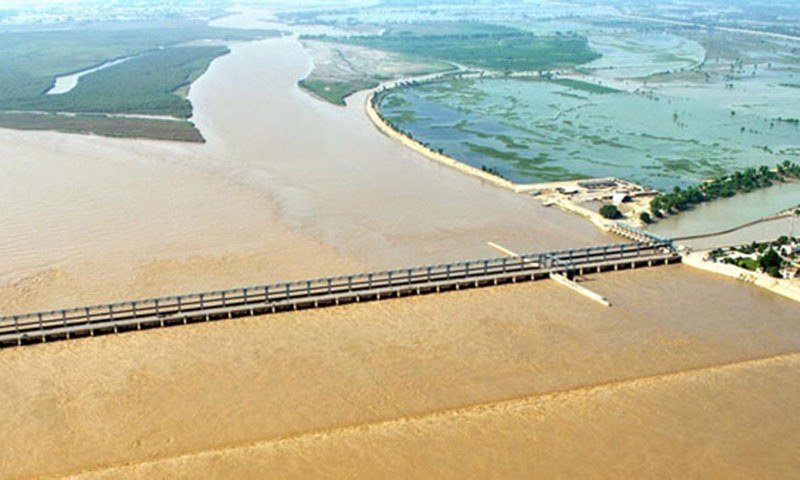
The Taunsa Barrage Emergency Rehabilitation Project stands as one of Pakistan’s most critical infrastructure restoration initiatives. Located on the Indus River, Taunsa Barrage plays a vital role in irrigation, water distribution, and regional connectivity. Over time, structural stress and operational challenges made rehabilitation essential not just for performance, but for long-term safety and sustainability.
This project focused on strengthening the barrage through advanced geotechnical and structural instrumentation, ensuring continuous monitoring and improved resilience against environmental pressures.
Project Overview
The Taunsa Barrage is a large hydraulic structure built between 1953 and 1958, positioned approximately 39 km south of Taunsa Sharif and 17 km northwest of Kot Addu. It serves as a lifeline for Pakistan’s agricultural economy by diverting water from the Indus River into three major canals:
- Muzaffargarh Canal
- D.G. Khan Canal
- T.P. Link Canal
Together, these canals irrigate over 2 million acres of farmland and provide drinking water to millions of people. Beyond irrigation, the barrage also supports:
- A road bridge
- A railway bridge
- Multiple pipelines
Given its importance, any structural weakness could have widespread consequences making rehabilitation a national priority.
Why Rehabilitation Was Needed
Over decades of operation, the barrage faced several challenges:
- Structural wear and tear
- Hydraulic pressure fluctuations
- Seepage and foundation concerns
- Aging infrastructure
The Emergency Rehabilitation Project was launched to:
✔ Restore structural integrity
✔ Enhance monitoring systems
✔ Improve operational efficiency
✔ Prevent potential failures
Advanced Monitoring System Implementation
A key component of this project was the deployment of a real-time monitoring system. This system allows engineers to track structural behavior and water pressure continuously.
Monitoring Technologies Used
The project integrated both manual and automated monitoring solutions, including:
- Vibrating Wire Piezometers – measure pore water pressure within soil and structures
- Standpipe Piezometers – monitor groundwater levels
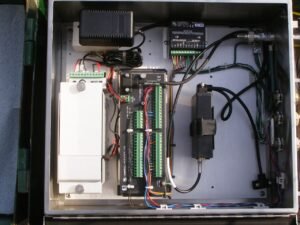
- Multiplexers – manage multiple sensor inputs efficiently
- Dataloggers – collect and store monitoring data
- Radio Tx/Rx Systems – enable remote data transmission
- Water Level Indicators – track water fluctuations
How the Monitoring System Works
The installed system operates through a centralized data acquisition process:
- Sensors collect real-time field data
- Data is transmitted via radio communication
- Dataloggers store and organize the information
- Engineers analyze data through monitoring software
This setup ensures:
- Early detection of structural issues
- Reduced manual inspection effort
- Faster decision-making
- Improved safety standards
Key Benefits of the Project
1. Enhanced Structural Safety
Continuous monitoring minimizes risks by identifying issues before they escalate.
2. Improved Water Management
Accurate data helps regulate water flow efficiently across irrigation canals.
3. Long-Term Sustainability
Modern instrumentation extends the lifespan of the barrage.
4. Reduced Operational Risks
Automation reduces dependency on manual readings and human error.
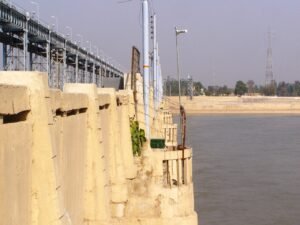
Role of Geotechnical & Structural Instrumentation
Instrumentation played a central role in transforming the barrage into a smart monitoring system. Instead of relying solely on periodic inspections, engineers now have access to:
- Real-time pressure data
- Structural movement insights
- Seepage detection
- Water level trends
This shift from reactive to proactive management significantly improves reliability.
Project Stakeholders
- Client: PMO
- Consultant: NESPAK
- Specialist Contractor: GSI (Geotechnical & Structural Instrumentation)
Each stakeholder contributed to ensuring that the rehabilitation met modern engineering standards.
Conclusion
The Taunsa Barrage Emergency Rehabilitation Project highlights how traditional infrastructure can be upgraded using modern technology. By integrating advanced monitoring systems and geotechnical instrumentation, the project not only restored the barrage but also future-proofed it against emerging challenges.
Today, Taunsa Barrage continues to serve millions supporting agriculture, providing water, and strengthening Pakistan’s infrastructure backbone. This project stands as a benchmark for similar rehabilitation efforts across the country.
FAQs
What is the main purpose of Taunsa Barrage?
It diverts water from the Indus River into major canals for irrigation and drinking purposes.
Which instruments were used for monitoring?
Vibrating wire piezometers, standpipe piezometers, dataloggers, multiplexers, and radio communication systems.
Why was rehabilitation necessary?
Due to aging infrastructure, structural stress, and the need for modern monitoring systems.
What makes this project important?
It ensures water security, agricultural productivity, and infrastructure safety for millions of people.