
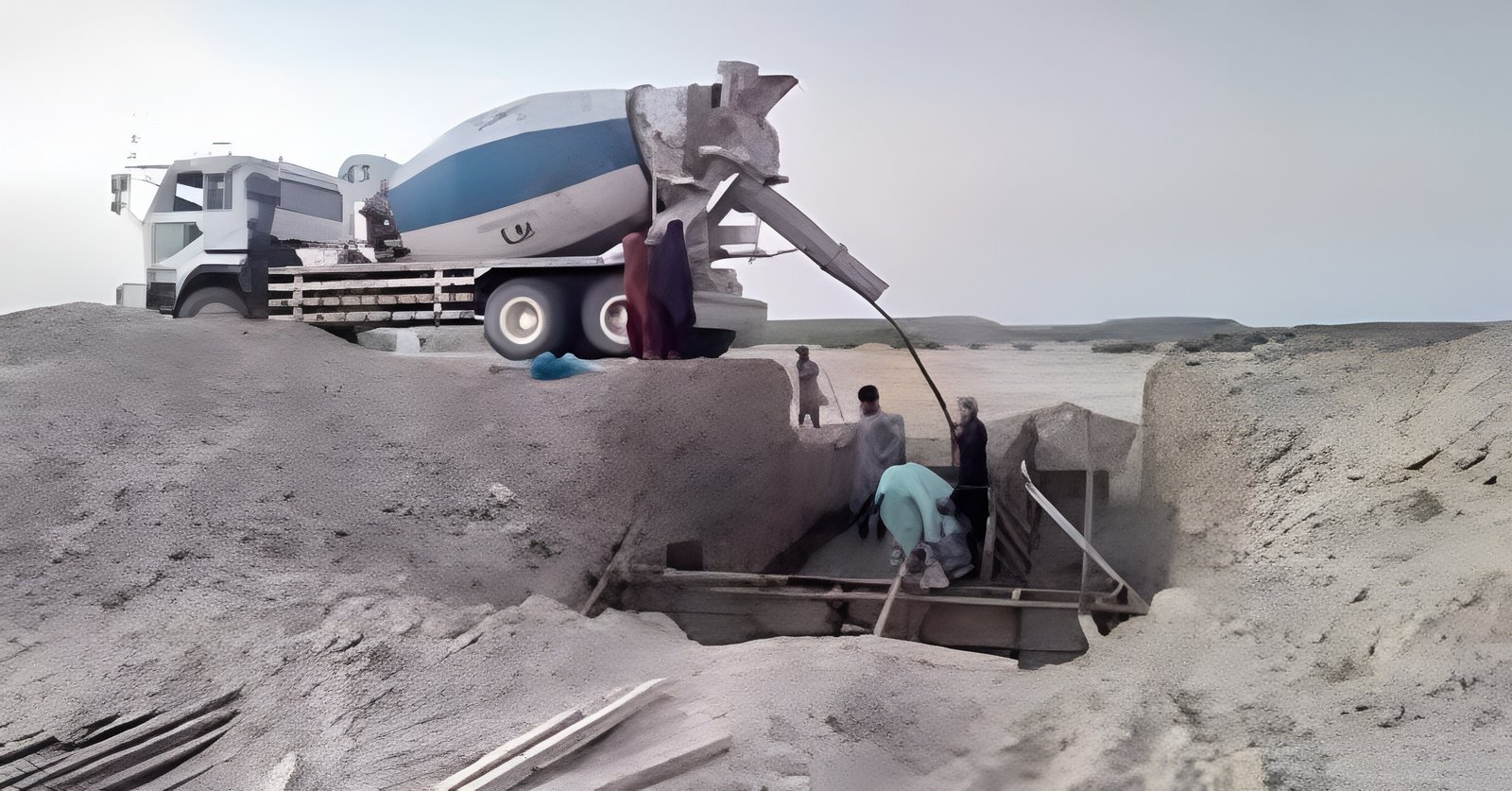
The Basol Dam Project is an important water management initiative in Balochistan, designed to address irrigation needs, improve water supply, and support regional development. Located in Gwadar, this project reflects Pakistan’s ongoing efforts to strengthen water infrastructure in underserved and arid regions.
To ensure safety and long-term performance, the dam incorporates geotechnical monitoring systems, allowing engineers to track structural behavior and water conditions effectively.
Project Overview
The Basol Dam Project was initiated in November 2015 and is being developed under the supervision of the Irrigation Department, Government of Balochistan. The project is still ongoing, with no officially confirmed completion date.
Key Highlights:
- Location: Gwadar, Balochistan, Pakistan
- Project Type: Water Storage & Irrigation Dam
- Purpose: Irrigation, municipal water supply, and development
- Consultant: ACE (Pvt) Ltd
The project is part of a broader effort to improve water resource management across the region.
Objectives of the Project
The Basol Dam Project aims to achieve multiple goals:
✔ Provide water for irrigation
✔ Supply water for domestic and municipal use
✔ Support command area development
✔ Strengthen regional water infrastructure
Strategic Importance
The project holds significant value for Balochistan:
- Enhances agricultural productivity in dry areas
- Supports urban water supply systems
- Contributes to economic growth in Gwadar
- Improves overall water resource management
Monitoring System Implementation
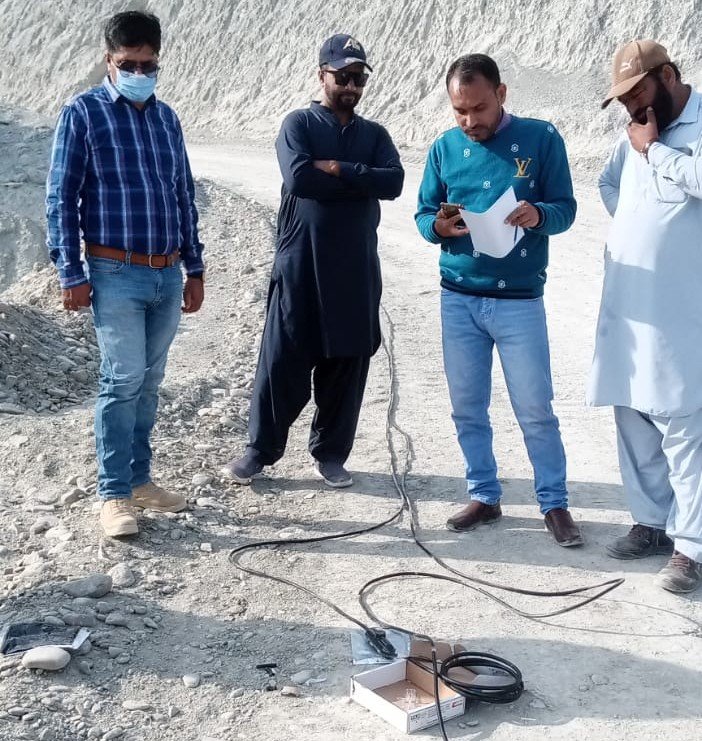
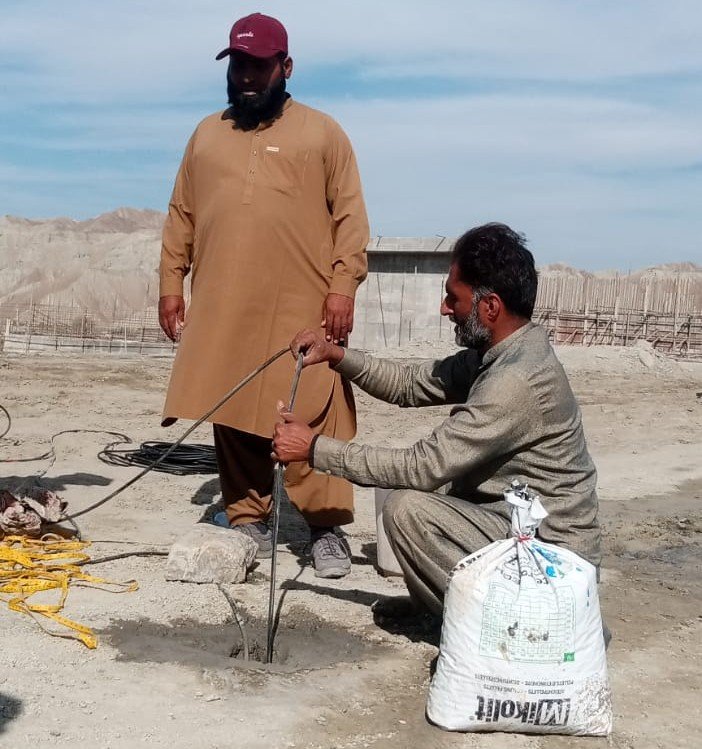
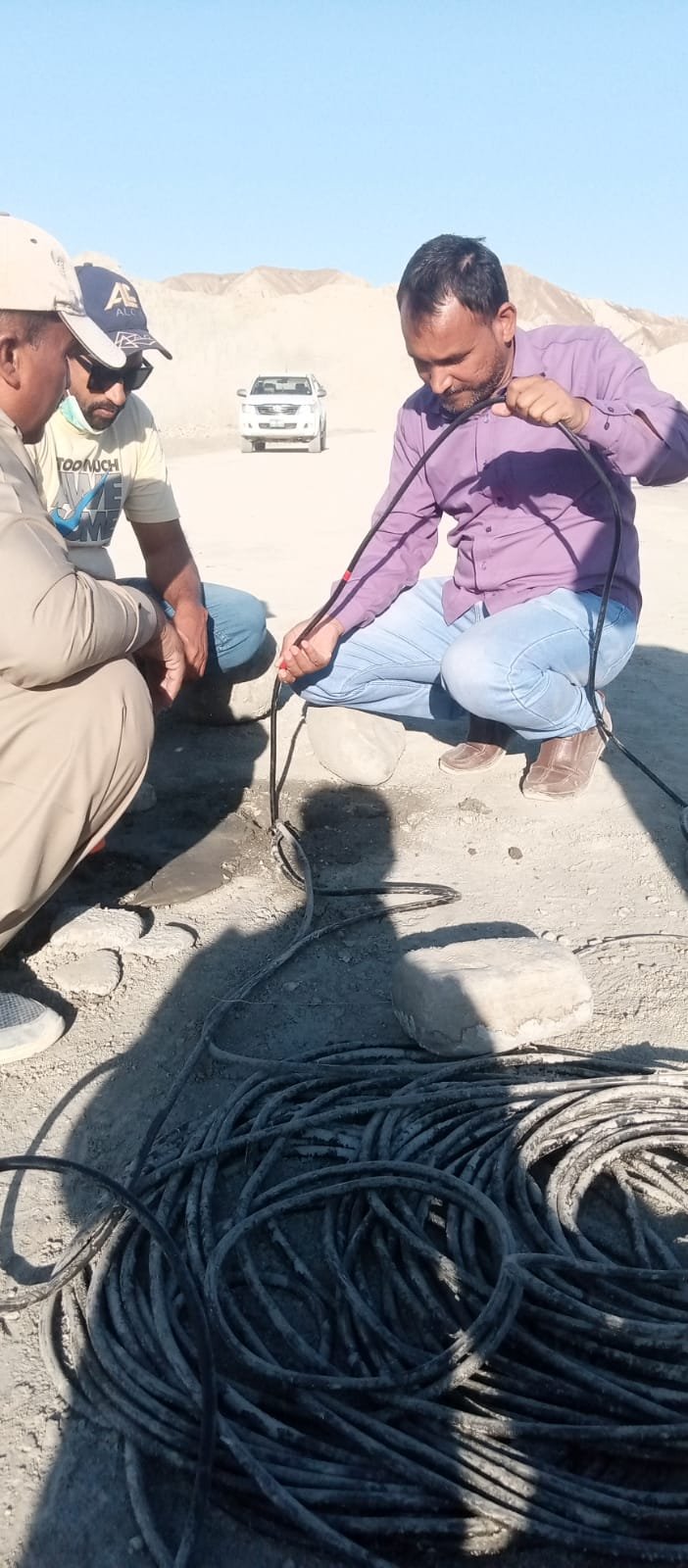
To ensure structural safety and efficient operation, the project includes a monitoring system using essential geotechnical instruments.
Monitoring Instruments Installed
The following equipment is used:
- Vibrating Wire Piezometers – measure internal water pressure within the dam
- Standpipe Piezometers – monitor groundwater levels and seepage
- Readout Units – collect and display data from monitoring instruments
- Water Level Indicators – track reservoir water levels
How the Monitoring System Works
The monitoring system functions through continuous data collection:
- Sensors measure water pressure and groundwater conditions
- Readout units gather and display the data
- Engineers analyze readings to assess structural health
- Preventive actions are taken when anomalies are detected
This system helps identify:
- Seepage issues
- Pressure changes
- Structural instability
- Water level fluctuations
Technologies & Products Used
The project uses reliable instrumentation tools:
- VW (Vibrating Wire) Piezometers
- Standpipe Piezometers
- Readout Devices
- Water Level Monitoring Systems
These technologies ensure accurate and consistent monitoring.
Key Benefits of the Project
1. Improved Water Availability
Supports irrigation and domestic water needs.
2. Enhanced Structural Safety
Monitoring systems help prevent potential failures.
3. Regional Development
Boosts agriculture and economic activity in Gwadar.
4. Sustainable Water Management
Promotes efficient use of water resources.
Project Stakeholders
- Client: WAPDA
- Consultant: ACE
- Specialist Contractor: GSI (Geotechnical & Structural Instrumentation)
These stakeholders ensure the project meets modern engineering and safety standards.
Conclusion
The Basol Dam Project is a key step toward improving water security in Balochistan. By combining infrastructure development with modern monitoring systems, the project aims to deliver reliable water supply and long-term sustainability.
As the project progresses, it is expected to play a crucial role in transforming the region’s agricultural and economic landscape.
FAQs
What is the purpose of Basol Dam?
It provides water for irrigation, domestic use, and regional development.
Where is Basol Dam located?
In Gwadar, Balochistan, Pakistan.
Which monitoring instruments are used?
Piezometers, readout units, and water level indicators.
Is the project completed?
No, it is currently under construction.