
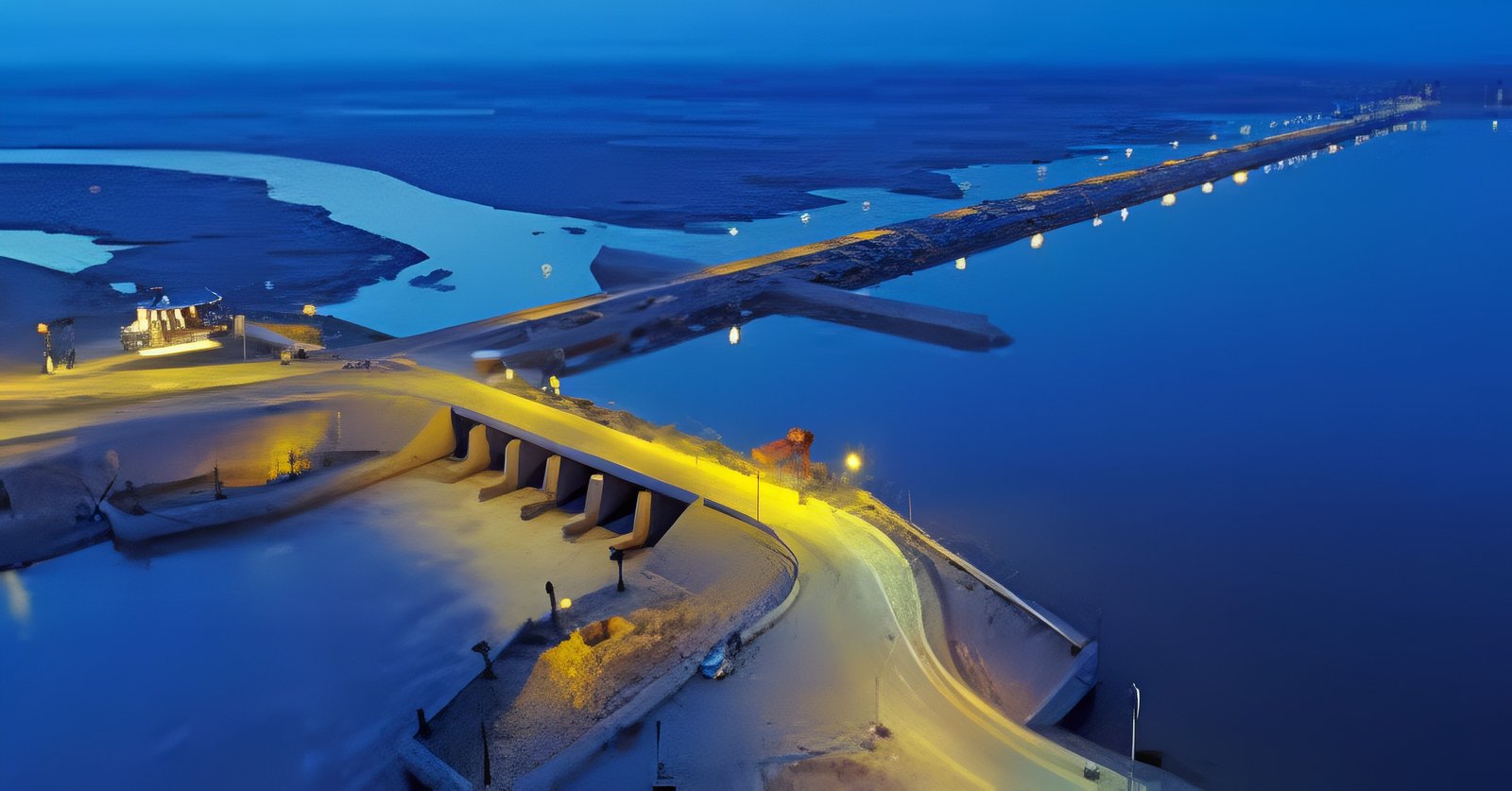
The New Khanki Barrage Project is a modern irrigation infrastructure initiative designed to replace the aging Khanki Headworks and significantly improve water management on the Chenab River. With enhanced capacity and upgraded engineering design, this project represents a major leap forward in Pakistan’s irrigation system.
Equipped with advanced geotechnical and structural monitoring systems, the barrage ensures long-term safety, efficiency, and resilience against environmental challenges.
Project Overview
The New Khanki Barrage was completed in 2017 near Wazirabad on the Chenab River. It was developed as a replacement for the old Khanki Headworks to handle increased water flow and meet modern irrigation demands.
Key Highlights:
- Location: Near Wazirabad, Punjab, Pakistan
- Completion Year: 2017
- River: Chenab River
- Funding: Government of Punjab & Asian Development Bank (ADB)
- Water Flow Capacity: Increased from 7 lakh cusecs to 11 lakh cusecs
This upgrade significantly improved the barrage’s performance and reliability.
Importance of New Khanki Barrage
The project plays a vital role in strengthening Pakistan’s water infrastructure:
✔ Enhances irrigation capacity
✔ Improves agricultural productivity
✔ Reduces flood risks
✔ Supports economic growth in surrounding regions
Its increased discharge capacity makes it more resilient to extreme water flows.
Advanced Monitoring System
To maintain structural integrity and operational efficiency, the barrage is equipped with a real-time monitoring system.
Monitoring Instruments Installed
The following technologies are used:
- Vibrating Wire Piezometers – measure internal water pressure
- Standpipe Piezometers – monitor groundwater levels
- Multiplexers – manage multiple sensor inputs
- Dataloggers – collect and store monitoring data
- Radio Tx/Rx Systems – enable remote data transmission
- Water Level Indicators – track water levels
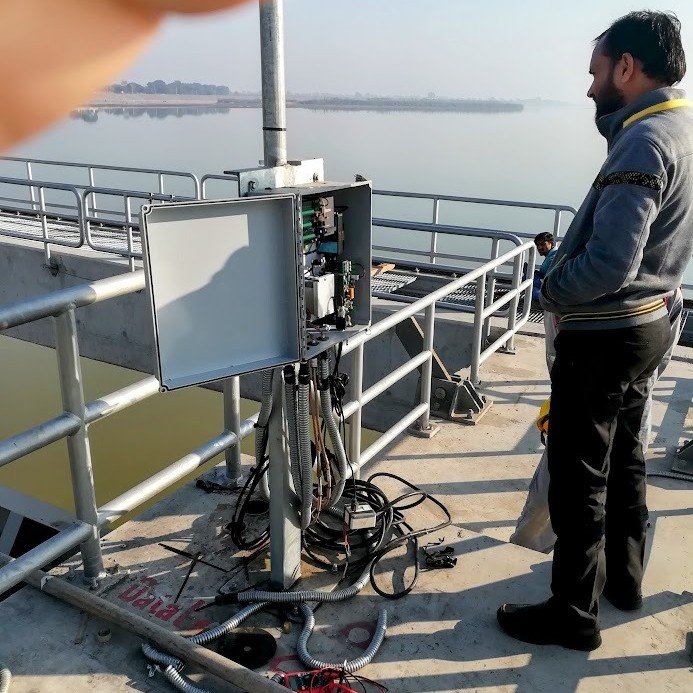
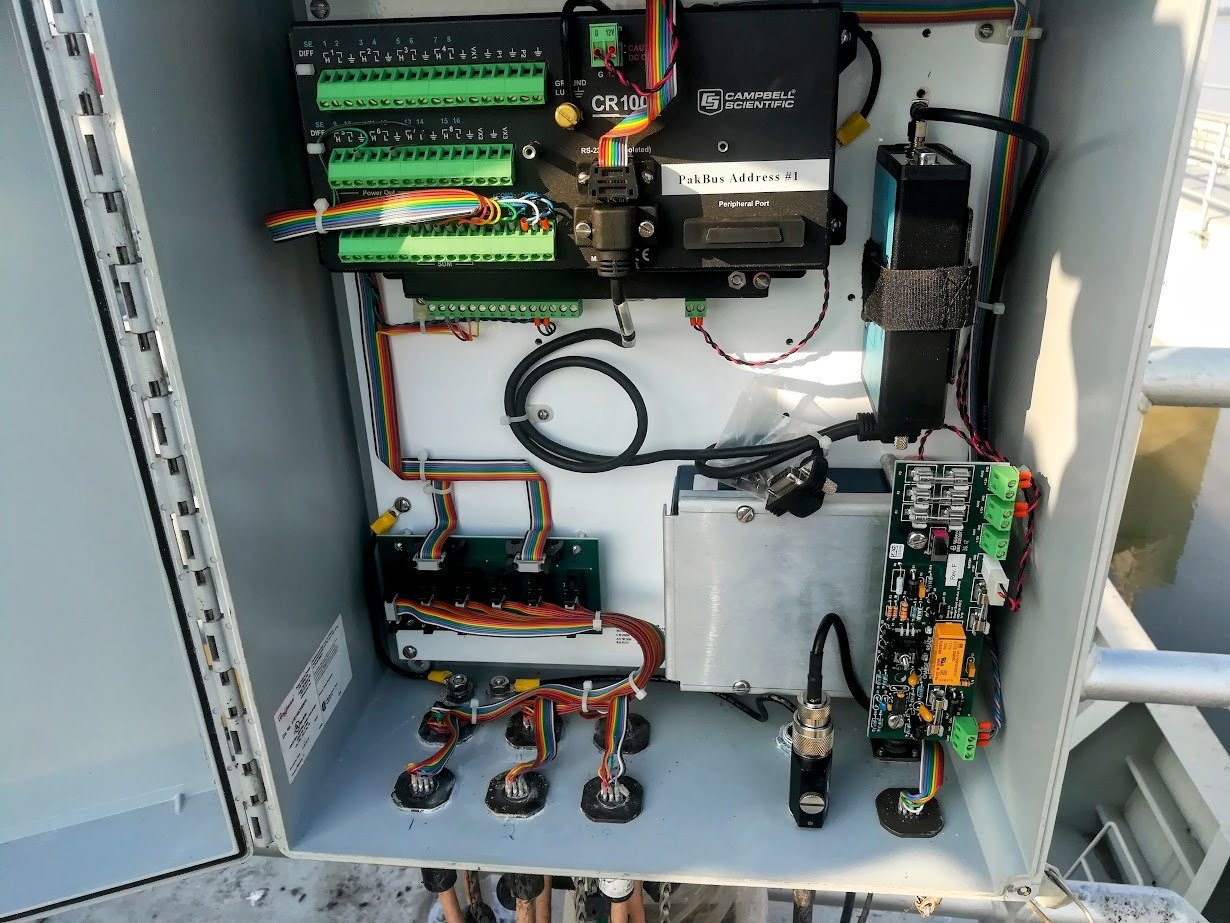
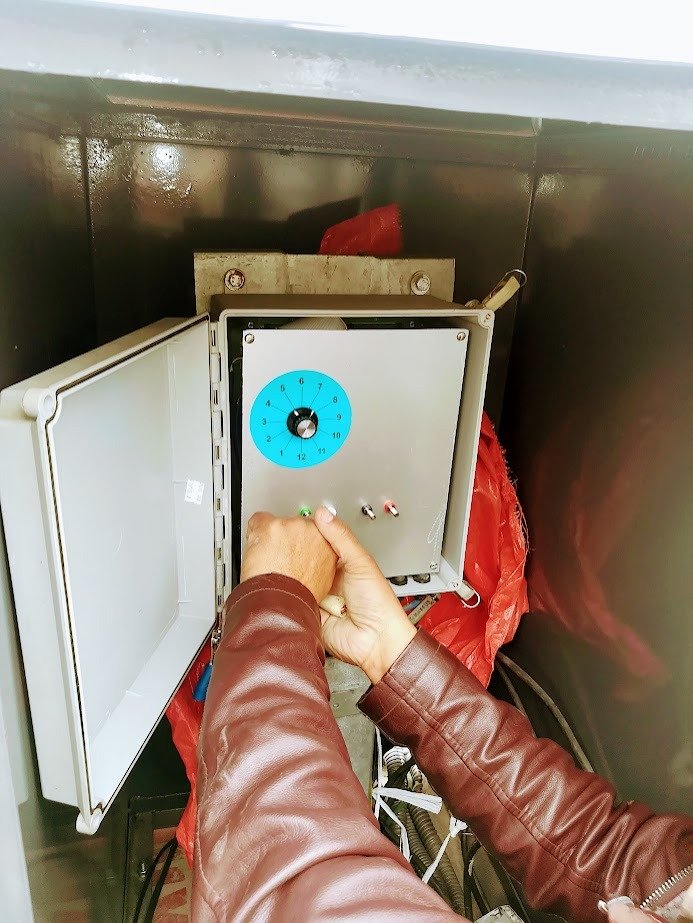
How the Monitoring System Works
The monitoring system operates through a centralized data process:
- Sensors collect real-time structural and hydraulic data
- Multiplexers organize signals from different instruments
- Dataloggers store and process the data
- Radio systems transmit data for remote monitoring
- Engineers analyze data to ensure safety and efficiency
This system helps detect:
- Seepage and leakage
- Pressure variations
- Structural stress
- Water level fluctuations
Technologies & Products Used
The project uses advanced instrumentation tools:
- VW (Vibrating Wire) Piezometers
- Standpipe Piezometers
- Multiplexers
- Dataloggers
- Radio Communication Systems
- Water Level Monitoring Devices
These technologies ensure accurate and continuous performance monitoring.
Key Benefits of the Project
1. Increased Water Capacity
Handles significantly higher water discharge compared to the old structure.
2. Improved Irrigation Efficiency
Ensures reliable water supply for agriculture.
3. Enhanced Flood Protection
Better equipped to manage high-flow conditions.
4. Long-Term Sustainability
Modern monitoring systems extend operational lifespan.
Project Stakeholders
- Client: PMO
- Consultant: NESPAK
- Specialist Contractor: GSI (Geotechnical & Structural Instrumentation)
These stakeholders collaborated to deliver a modern and efficient barrage system.
Conclusion
The New Khanki Barrage Project is a benchmark in modern irrigation engineering. By replacing outdated infrastructure with a high-capacity, technologically advanced system, the project ensures efficient water management and improved agricultural productivity.
With the integration of real-time monitoring systems, the barrage is well-equipped to meet future challenges while maintaining safety and performance.
FAQs
What is the purpose of New Khanki Barrage?
It improves water distribution and irrigation efficiency on the Chenab River.
When was it completed?
In 2017.
What is its water capacity?
It increased from 7 lakh to 11 lakh cusecs.
Which monitoring systems are used?
Piezometers, multiplexers, dataloggers, and water level indicators.