
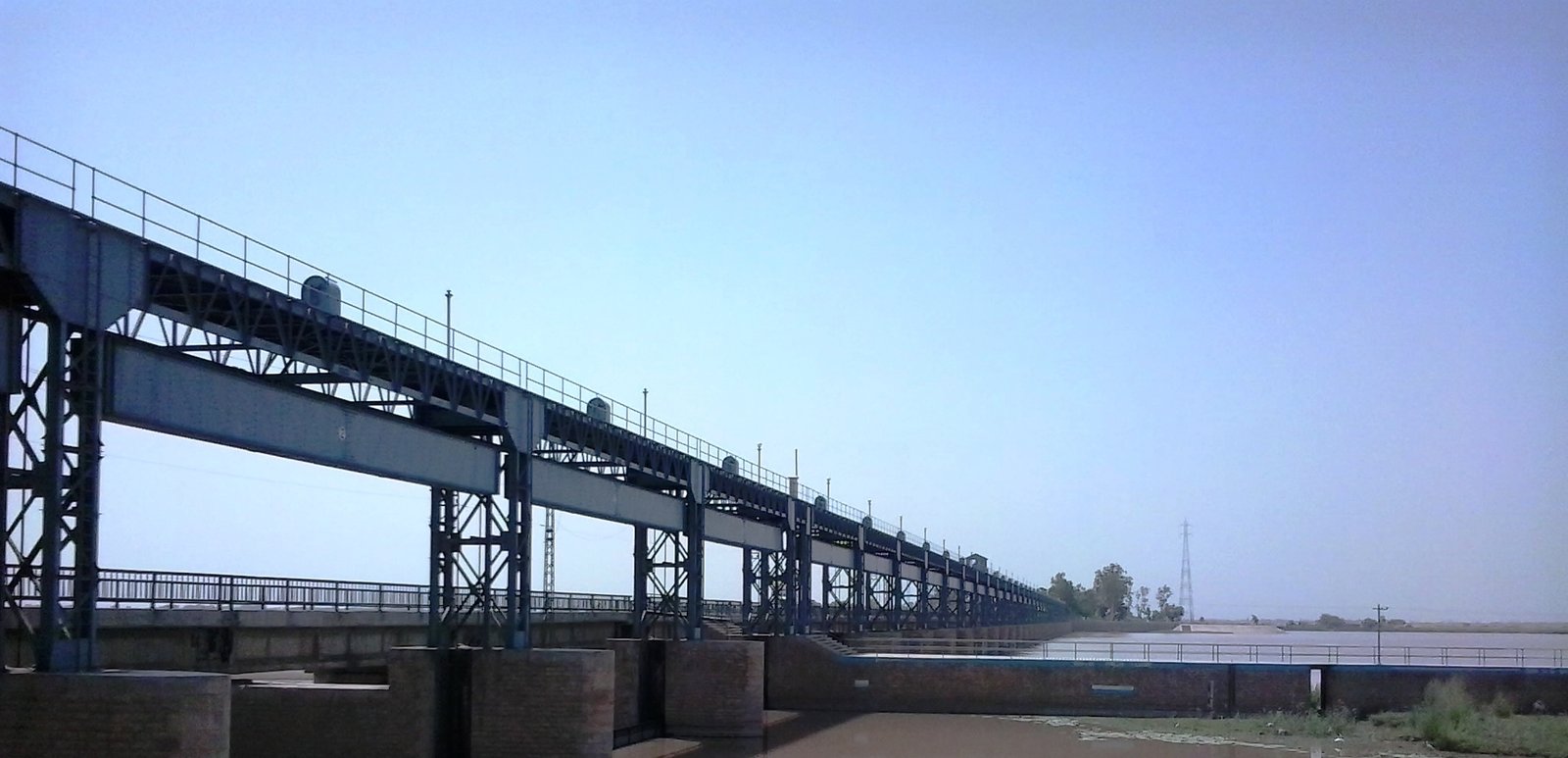
The Panjnad Barrage Project is one of Pakistan’s most historically significant and strategically important water management structures. Located at the confluence of five major rivers, this barrage plays a critical role in irrigation, water regulation, and agricultural development across Punjab.
With the integration of modern geotechnical and structural monitoring systems, the project continues to operate efficiently while meeting today’s safety and performance standards.
Project Overview
The Panjnad Barrage, also known as Panjnad Headworks, is situated at the point where five rivers—Jhelum, Chenab, Ravi, Beas, and Sutlej—merge. The name “Panjnad” literally means “Five Rivers,” reflecting its unique geographical importance.
Key Highlights:
- Location: Punjab, Pakistan
- Construction Period: 1925 – 1932
- Project Type: Irrigation & Water Management
- Associated Development: Part of the Sutlej Valley Project
The barrage was designed to regulate water flow and distribute irrigation water efficiently across agricultural lands.
Importance of Panjnad Barrage
The project plays a vital role in Pakistan’s irrigation system:
✔ Controls water flow from multiple rivers
✔ Supports large-scale agricultural activities
✔ Enhances water distribution efficiency
✔ Contributes to regional economic stability
Its strategic location makes it a key node in the country’s water infrastructure network.
Advanced Monitoring System
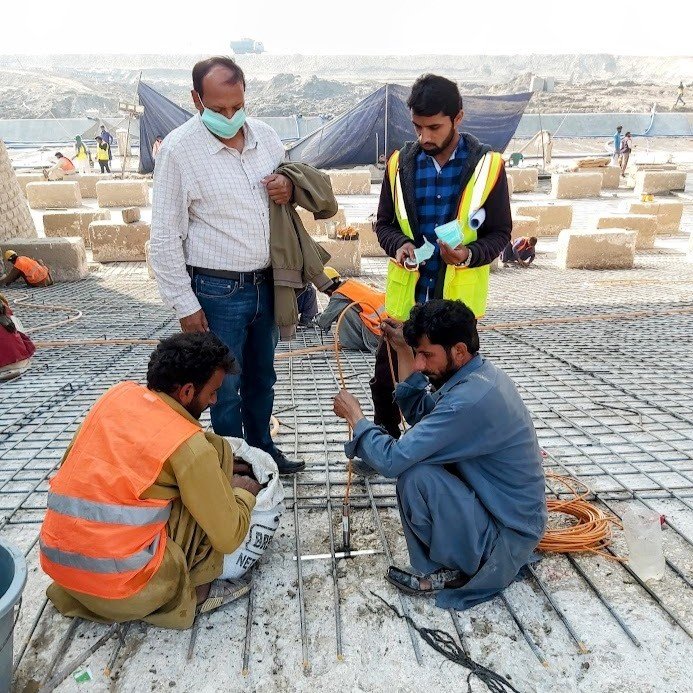
To ensure long-term safety and operational efficiency, the barrage is equipped with a modern monitoring system using advanced instrumentation.
Monitoring Instruments Installed
The following technologies are used:
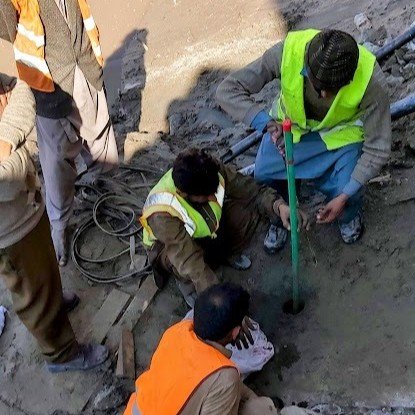
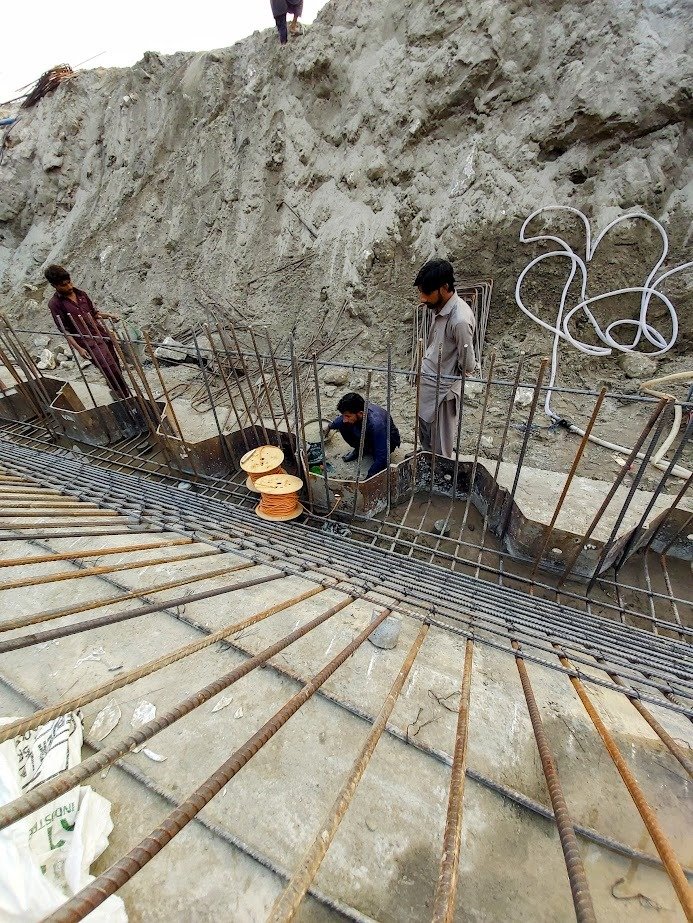
- Vibrating Wire Piezometers – measure internal water pressure
- Standpipe Piezometers – monitor groundwater levels
- Multiplexers – manage multiple sensor inputs
- Dataloggers – collect and store monitoring data
- Radio Tx/Rx Systems – enable remote data transmission
- Water Level Indicators – track water fluctuations
How the Monitoring System Works
The system is designed for continuous data collection and analysis:
- Sensors capture real-time structural and hydraulic data
- Multiplexers organize signals from various instruments
- Dataloggers store and process the data
- Radio systems transmit data for remote monitoring
- Engineers analyze the data to ensure safety and performance
This system helps detect:
- Seepage and leakage
- Pressure variations
- Structural stress
- Water level changes
Technologies & Products Used
The project utilizes reliable instrumentation solutions:
- VW (Vibrating Wire) Piezometers
- Standpipe Piezometers
- Multiplexers
- Dataloggers
- Radio Communication Systems
- Water Level Monitoring Devices
These technologies ensure accurate and continuous monitoring.
Key Benefits of the Project
1. Enhanced Structural Safety
Continuous monitoring reduces the risk of failure.
2. Efficient Water Management
Improves irrigation and water distribution across regions.
3. Increased Reliability
Automation ensures consistent performance.
4. Long-Term Sustainability
Modern systems extend the operational lifespan of the barrage.
Project Stakeholders
- Client: PMO
- Consultant: NESPAK
- Specialist Contractor: GSI (Geotechnical & Structural Instrumentation)
These stakeholders ensured the successful delivery of monitoring and instrumentation systems.
Conclusion
The Panjnad Barrage Project is a cornerstone of Pakistan’s irrigation infrastructure. By combining historical engineering with modern monitoring technologies, it continues to support agriculture, manage water resources, and ensure structural safety.
As water demand grows, projects like Panjnad Barrage highlight the importance of smart monitoring systems in maintaining critical infrastructure.
FAQs
What is Panjnad Barrage?
It is a major irrigation structure located at the confluence of five rivers in Punjab.
When was it constructed?
Between 1925 and 1932.
Which monitoring instruments are used?
Piezometers, multiplexers, dataloggers, and water level indicators.
Why is this project important?
It supports agriculture, manages water flow, and ensures infrastructure safety.