
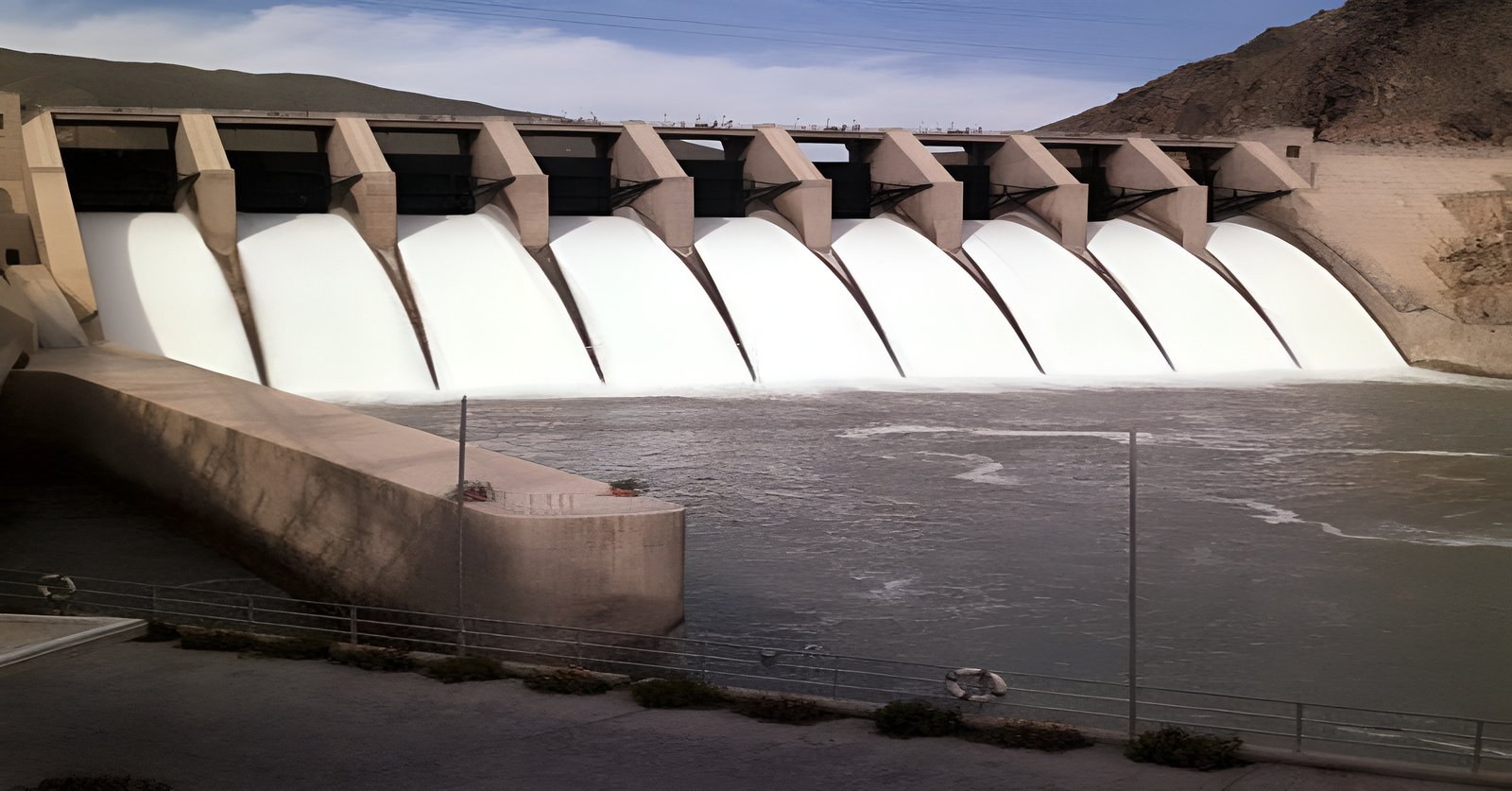
The Bunji Hydropower Project is one of Pakistan’s most ambitious hydroelectric initiatives, designed to harness the immense potential of the Indus River. Planned in the mountainous region of Gilgit-Baltistan, this mega project aims to significantly boost the country’s power generation capacity while supporting sustainable energy development.
Alongside its scale, the project incorporates advanced geotechnical monitoring systems, ensuring structural safety and long-term operational reliability.
Project Overview
The Bunji Hydropower Project is a planned 7,100 MW hydroelectric power plant, making it one of the largest energy projects in Pakistan. It is located on the Indus River, upstream of the confluence of the Indus and Gilgit rivers, approximately 83 km from Gilgit.
Key Highlights:
- Project Capacity: 7,100 MW
- Location: Gilgit-Baltistan, Pakistan
- Project Status: Feasibility and design phase
- River System: Indus River
This project is expected to play a major role in addressing Pakistan’s growing energy demands.
Objectives of the Project
The Bunji Hydropower Project has several strategic goals:
✔ Generate large-scale renewable energy
✔ Reduce dependence on fossil fuels
✔ Support industrial and economic growth
✔ Strengthen Pakistan’s energy infrastructure
Strategic Importance
This project holds national significance due to:
- Massive power generation capacity
- Contribution to clean energy production
- Reduction in electricity shortages
- Support for long-term energy security
Once completed, it will be a cornerstone of Pakistan’s hydropower sector.

Monitoring System Implementation
Even at the planning and design stage, the project includes provisions for geotechnical and structural monitoring to ensure safety and efficiency.
Monitoring Instruments Used
The following key instruments are planned for monitoring:
- Vibrating Wire Piezometers – measure internal water pressure
- Standpipe Piezometers – monitor groundwater conditions
- Inclinometers – detect soil and structural movement
- Water Level Indicators – track reservoir and flow levels
How the Monitoring System Works
The monitoring framework is designed to provide continuous insights into structural performance:
- Sensors collect real-time geotechnical data
- Data is transmitted to centralized monitoring systems
- Engineers analyze trends and structural behavior
- Preventive actions are taken when needed
This system helps in detecting:
- Seepage and pressure changes
- Ground movement
- Structural stress
- Water level variations
Technologies & Products Used
The project relies on proven instrumentation technologies:
- VW (Vibrating Wire) Piezometers
- Standpipe Piezometers
- Inclinometers
- Water Level Monitoring Systems
These tools ensure accurate data collection and long-term monitoring capability.
Key Benefits of the Project
1. Large-Scale Energy Production
The project will significantly increase Pakistan’s electricity supply.
2. Renewable Energy Source
Hydropower provides clean and sustainable energy.
3. Improved Infrastructure
Supports development in remote northern regions.
4. Enhanced Safety
Monitoring systems ensure structural integrity over time.
Project Stakeholders
- Client: WAPDA
- Consultant: WAPDA
- Specialist Contractor: GSI (Geotechnical & Structural Instrumentation)
These stakeholders are responsible for planning, design, and monitoring integration.
Conclusion
The Bunji Hydropower Project represents a major step toward achieving energy security in Pakistan. With its massive generation capacity and integration of advanced monitoring systems, the project is poised to become a landmark in the country’s infrastructure development.
By combining modern engineering with smart monitoring technologies, Bunji Hydropower will help meet future energy demands while ensuring safety and sustainability.
FAQs
What is the capacity of Bunji Hydropower Project?
It is planned to generate 7,100 MW of electricity.
Where is the project located?
On the Indus River in Gilgit-Baltistan, about 83 km from Gilgit.
Which monitoring instruments are used?
Piezometers, inclinometers, and water level indicators.
Why is this project important?
It supports renewable energy generation and reduces power shortages.