
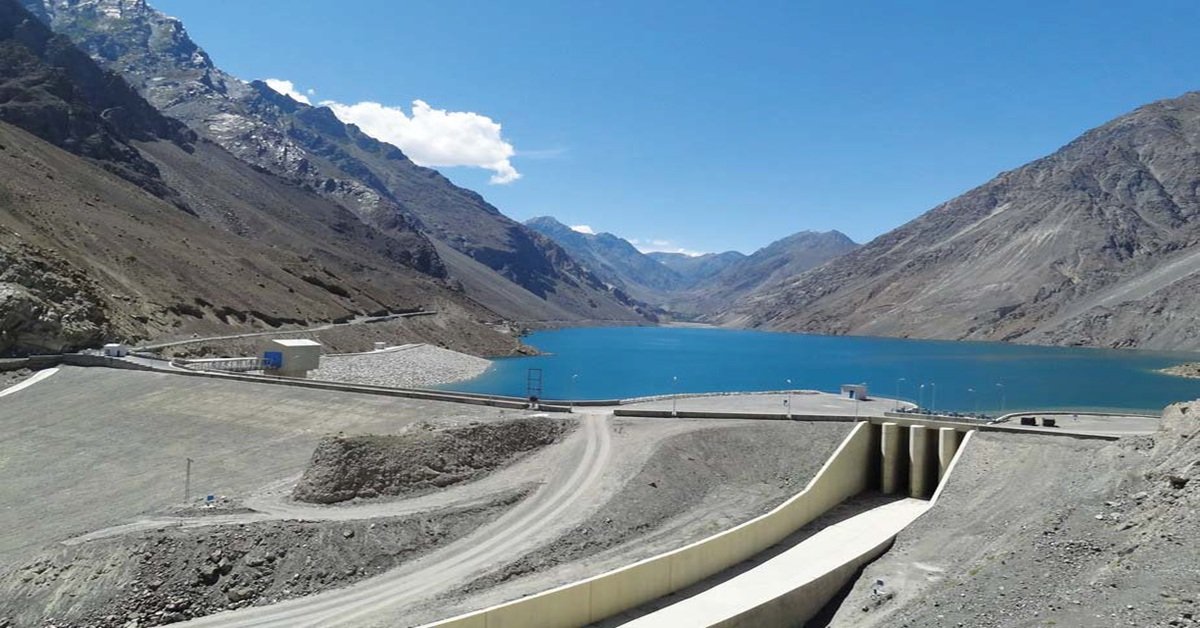
The Satpara Dam Pakistan Project is a vital infrastructure initiative aimed at improving water storage, power generation, and irrigation in the northern regions of Pakistan. Located near Skardu in Gilgit-Baltistan, this project plays a crucial role in supporting local communities by ensuring reliable access to water and electricity.
What makes Satpara Dam particularly significant is the integration of advanced geotechnical and structural monitoring systems, ensuring safety, performance, and long-term sustainability.
Project Overview
The Satpara Dam project was initiated in April 2003 and became fully operational in April 2013. Situated close to Skardu, it was developed to address the region’s growing needs for water management and energy production.
Key Objectives:
- Generate hydroelectric power
- Provide irrigation water for agriculture
- Supply drinking water to local communities
The dam serves as a multi-purpose solution, contributing to both economic growth and improved living standards in the region.
Strategic Importance
Satpara Dam has a direct impact on regional development:
✔ Supports agriculture in mountainous terrain
✔ Ensures consistent water availability
✔ Generates clean, renewable energy
✔ Improves quality of life in remote areas
In regions like Gilgit-Baltistan, such infrastructure is essential for sustainable growth.
Advanced Monitoring System
To ensure structural integrity and operational safety, the project incorporates a comprehensive monitoring system using modern instrumentation.
Monitoring Instruments Installed
The dam is equipped with the following technologies:
- Vibrating Wire Piezometers – measure internal water pressure within the dam
- Standpipe Piezometers – monitor groundwater levels
- Inclinometers – detect ground and structural movement
- Accelerograph – record seismic activity and vibrations
- Jointmeters – monitor displacement in structural joints
- Water Level Indicators – track reservoir water levels
How the Monitoring System Works
The system continuously collects and analyzes data to maintain safety:
- Sensors installed within the dam capture real-time data
- Data is transmitted to monitoring systems
- Engineers evaluate structural behavior and pressure conditions
- Immediate actions are taken if irregularities are detected
This process helps identify:
- Seepage issues
- Structural deformation
- Earthquake-related impacts
- Water pressure changes
Technologies & Products Used
The project uses high-precision instrumentation, including:
- VW (Vibrating Wire) Piezometers
- Standpipe Piezometers
- Inclinometers
- Accelerograph Systems
- Jointmeters
- Water Level Monitoring Devices
These tools ensure accurate and continuous monitoring of dam performance.
Key Benefits of the Project
1. Enhanced Dam Safety
Real-time monitoring reduces the risk of structural failure.
2. Reliable Water Supply
Ensures consistent irrigation and drinking water availability.
3. Renewable Energy Generation
Supports clean power production for the region.
4. Long-Term Sustainability
Modern instrumentation extends the dam’s lifespan and efficiency.
Project Stakeholders
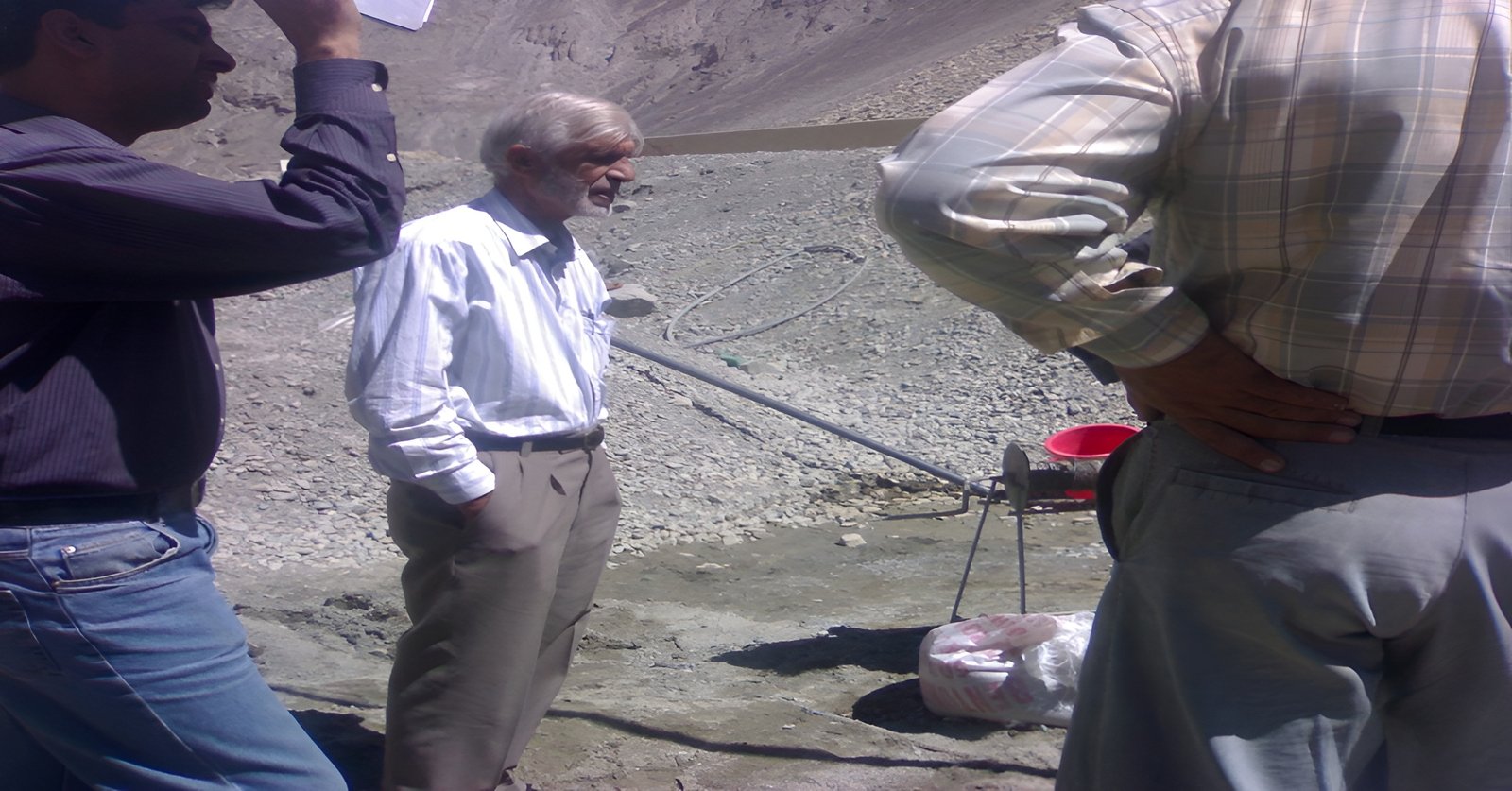
- Client: WAPDA
- Consultant: PES
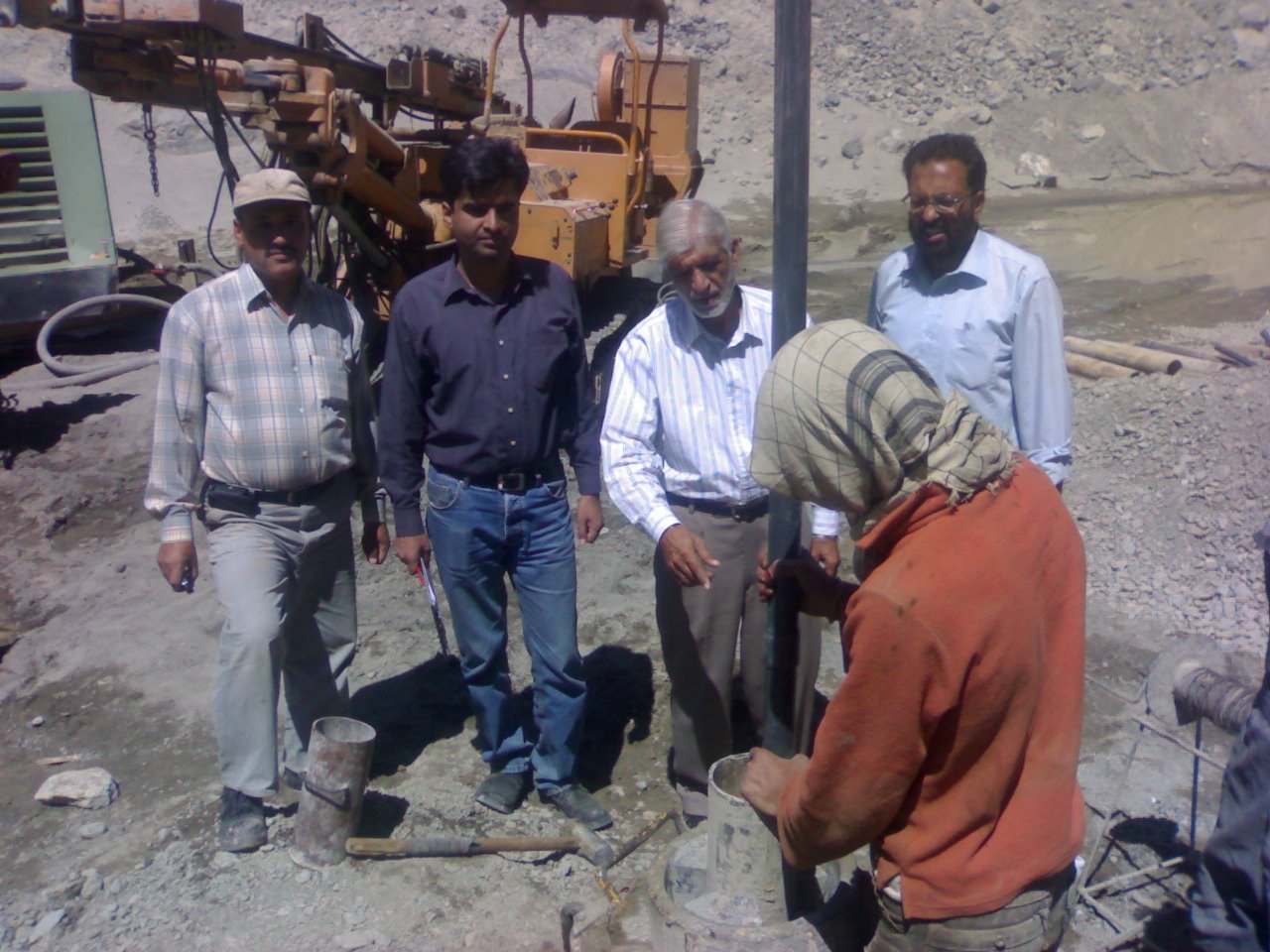
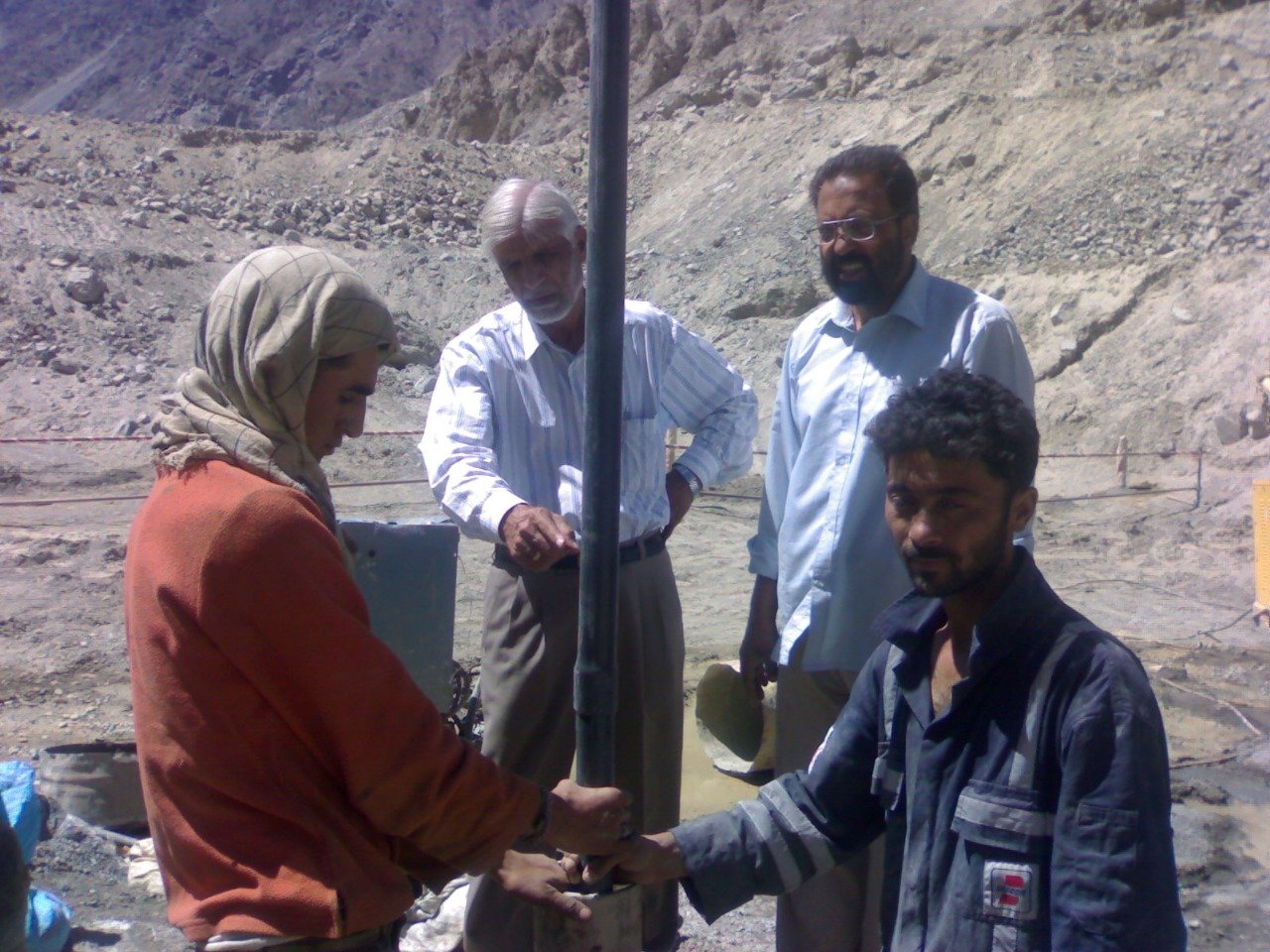
- Specialist Contractor: GSI (Geotechnical & Structural Instrumentation)
These stakeholders ensured the successful implementation of both infrastructure and monitoring systems.
Conclusion
The Satpara Dam Pakistan Project is a prime example of how modern engineering and advanced monitoring systems can transform regional infrastructure. By combining water management, energy generation, and safety-focused instrumentation, the project delivers long-term value to the people of Gilgit-Baltistan.
As demand for water and energy continues to rise, projects like Satpara Dam highlight the importance of integrating smart monitoring technologies with traditional engineering solutions.
FAQs
What is the purpose of Satpara Dam?
It provides irrigation, drinking water, and hydroelectric power.
Which monitoring instruments are used?
Piezometers, inclinometers, accelerograph, jointmeters, and water level indicators.
Where is Satpara Dam located?
Near Skardu in Gilgit-Baltistan, Pakistan.
Why is monitoring important for dams?
It ensures safety by detecting structural issues early and enabling timely action.